Helping AI Connect the Dots: Why Knowledge Graphs Beat Basic Search for Complex Data
Discover why traditional vector search struggles with big-picture questions across business data. Learn how GraphRAG and knowledge graphs map relationships between people, projects, and contracts to cut AI hallucinations and deliver genuinely accurate answers.

TL;DR: Most companies building AI search rely on a technique called vector search—chopping documents into small paragraphs and finding the ones with similar words. While this works great for simple questions like "What is our refund policy?", it falls apart when you ask big-picture questions like "What are the recurring bottlenecks across all our client onboarding projects?" Basic AI search simply cannot connect the dots across hundreds of documents. The solution is GraphRAG (Knowledge Graph AI). Instead of treating your files like loose sticky notes, a knowledge graph creates a visual map showing how people, projects, contracts, and decisions link together. When AI can see both the text and the relationships, incorrect answers drop by over 80% and answers become genuinely insightful. Explore our Bespoke AI System Creation to see how we build custom intelligence layers, check out our guide on reducing AI hallucinations with enterprise RAG, read our vector database comparison guide to understand the storage foundation, and learn how to connect these systems into multi-agent AI workflows that run your repetitive operations on autopilot.
The 5 W's of Knowledge Graphs & Smarter AI Search
To make sense of how AI search is evolving beyond basic keyword matching, here is a quick overview using the 5 W's:
- Who: Founders, product leads, and business teams with hundreds of internal documents, customer tickets, or research notes that standard AI assistants fail to answer accurately.
- What: GraphRAG (Graph-based Retrieval-Augmented Generation)—a smarter way to search where AI creates a clear map of relationships (who did what, which tool connects to what project, how rules affect outcomes) instead of just scanning for matching words.
- Where: Deployed directly within your company's private cloud or database environment, keeping your proprietary records, customer data, and internal notes completely private and safe.
- When: Essential whenever you need AI to answer questions that require seeing the "big picture"—such as project post-mortems, contract comparisons, legal audits, and technical documentation.
- Why: Basic search treats your files like isolated puzzle pieces. Without a map connecting the pieces, AI either misses the true answer or makes something up. Connecting the dots stops guesswork and gives your team answers you can actually trust.
┌─────────────────────────────────────────────────────────────────────────┐
│              The 5 W's: Why Knowledge Graphs Help AI Think              │
├──────────────┬──────────────────────────────────────────────────────────┤
│ Dimension    │ Plain-English Explanation                                │
├──────────────┼──────────────────────────────────────────────────────────┤
│ 👤 WHO       │ Teams tired of AI missing the point on complex company data│
│ 🧠 WHAT      │ GraphRAG: Mapping relationships between people & ideas   │
│ 🔒 WHERE     │ Securely inside your private company cloud environment   │
│ ⏱️ WHEN      │ For complex questions that span multiple documents       │
│ 🎯 WHY       │ Stop AI guesswork and help it connect the dots accurately│
└──────────────┴──────────────────────────────────────────────────────────┘
The Mystery of the Missing Answer: Sticky Notes vs. The Detective Board
To understand why traditional AI search struggles with complex questions, imagine two different ways a detective solves a case:
Approach A: The Shoebox of Sticky Notes (Traditional Vector Search)
Imagine taking every police report, interview, and receipt, cutting them into 3-sentence snippets, and throwing them into a giant shoebox.
When you ask, "Did Suspect X ever visit Location Y?", the detective rummages through the box, finds three notes mentioning "Suspect X" and "Location Y", and hands them to you.
This works fine for direct facts. But what if you ask: "Who was the person coordinating the deliveries between Company A and Company B last spring?"
The answer isn't written on a single note. Note #1 says John works for Company A. Note #14 says John introduced Sarah to the logistics team. Note #87 says Sarah signed off on spring deliveries. Traditional search only pulls the notes that match your exact query words—leaving the crucial middle links sitting at the bottom of the box.
┌─────────────────────────────────────────────────────────────────────────┐
│         Approach A: Traditional Vector Search (Isolated Snippets)       │
├─────────────────────────────────────────────────────────────────────────┤
│ [Doc 1: Note A]      [Doc 2: Note B]      [Doc 3: Note C]               │
│        │                   │                    │                       │
│        ▼                   ▼                    ▼                       │
│ (AI only retrieves snippets that share similar keywords with question)  │
│ ❌ Result: AI misses the relationship between Note A and Note C         │
├─────────────────────────────────────────────────────────────────────────┤
│         Approach B: The Detective Board (GraphRAG Knowledge Map)        │
├─────────────────────────────────────────────────────────────────────────┤
│   [John Smith] ──(Works At)──► [Company A]                              │
│         │                                                               │
│         └──(Introduced)──► [Sarah Miller]                               │
│                                   │                                     │
│                                   └──(Approved)──► [Spring Deliveries]  │
│                                                           │             │
│                                                           └──(To)──► [B]│
│                                                                         │
│ (AI traces the yarn connecting John ➔ Sarah ➔ Spring Deliveries ➔ Co B) │
│ ✅ Result: Complete, accurate explanation with zero guesswork           │
└─────────────────────────────────────────────────────────────────────────┘
Approach B: The Detective Board (Knowledge Graphs)
Now imagine the classic movie detective board: photos pinned to the wall with red yarn connecting people to companies, companies to bank accounts, and bank accounts to dates.
When you ask the same question, the detective doesn't dig through loose papers. They look at the board, trace the red yarn from Company A through John and Sarah straight to Company B, and instantly see the full story.
That is exactly what a Knowledge Graph does for your business data.
How Basic AI Search Works (And Where It Hits a Wall)
Over the past two years, almost every company experimenting with AI has built a setup known as RAG (Retrieval-Augmented Generation):
- You upload your company's PDFs, Google Docs, and Slack channels.
- The system slices those documents into chunks (usually 300 to 500 words each).
- A machine-learning model converts those chunks into numbers called "vector embeddings".
- When you ask a question, the system finds the 3 to 5 chunks whose numbers are closest to your question, pastes them into ChatGPT or Claude, and asks it to summarize.
Where Vector Search Shines
- "What is our parental leave policy?" (Answer is in one paragraph in the employee handbook).
- "What port does our staging server run on?" (Answer is in one line in your setup guide).
- "How do I reset my account password?" (Answer is in a single FAQ entry).
Where Vector Search Fails Miserably
- Multi-Hop Questions: "Which clients signed contracts with our team after attending our June workshop, and who was their assigned onboarding manager?" (Requires hopping across CRM logs, attendee lists, and project tables).
- Summary & Theme Questions: "What are the top three complaints enterprise clients had about our reporting feature this quarter?" (Requires reading across 50 different tickets, noticing recurring themes, and grouping them).
- Contradiction Checks: "Does our updated security policy conflict with what we agreed to in the Acme Corp enterprise contract?" (Requires comparing two entire philosophies, not just isolated sentences).
When basic search fails on these questions, the AI doesn't tell you it's confused. Instead, it hallucinates—politely stitching together fragments of unrelated chunks into an answer that sounds confident, but is completely wrong.
What Is a Knowledge Graph? (In Everyday Words)
A knowledge graph sounds intimidating, but it is built on three very simple concepts you already understand:
- Entities (The Nouns): The things you care about—People, Companies, Software Tools, Projects, Locations, Policies, and Dates.
- Relationships (The Verbs): How those things connect—
WORKS_FOR,CREATED,BLOCKS,SIGNED,DEPENDS_ON, orMANAGES. - Properties (The Details): Extra context—the date a contract was signed, the price of a plan, or someone's job title.
┌─────────────────────────────────────────────────────────────────────────┐
│                    The Anatomy of a Knowledge Graph                     │
└─────────────────────────────────────────────────────────────────────────┘
                                     │
        ┌────────────────────────────┼────────────────────────────┐
        ▼                            ▼                            ▼
┌──────────────┐             ┌──────────────┐             ┌──────────────┐
│ Entity: Team │             │ Relationship │             │ Entity: Proj │
├──────────────┤             ├──────────────┤             ├──────────────┤
│ Name: Design │ ──────────► │  OWNS_TASK   │ ──────────► │ Design System│
│ Lead: Maya   │             │  Priority: P1│             │ Due: Oct 15  │
└──────────────┘             └──────────────┘             └──────────────┘
                                     │
                                     ▼ (Connected to)
                             ┌──────────────┐
                             │ Entity: App  │
                             ├──────────────┤
                             │ LaunchLive   │
                             │ Platform v2  │
                             └──────────────┘
When you turn your documents into a knowledge graph, your information transforms from flat text into an interactive network of knowledge. The AI can now navigate across relationships just like a human expert who knows the organization inside and out.
GraphRAG vs. Vector Search: A Clear Comparison
Here is how the two approaches compare when handling everyday business questions:
| Feature / Scenario | Traditional Vector Search | GraphRAG (Knowledge Graph AI) | What This Means for You |
|---|---|---|---|
| Simple lookup questions | ⚡ Very Fast (<50ms) | ⚡ Fast (100ms - 200ms) | Both work great for simple single-fact lookups. |
| Questions connecting 3+ topics | ❌ Fails or guesses | ✅ Traces links step-by-step | GraphRAG follows the chain of events easily. |
| Overall theme & summary questions | ⚠️ Misses 60%+ of data | ✅ Summarizes all related clusters | GraphRAG sees the big picture across all documents. |
| Handling conflicting rules | ❌ Picks the closest words | ✅ Flags clear contradictions | GraphRAG highlights when two policies clash. |
| Accuracy on complex queries | ~55% to 65% | 92% to 98% | Massive drop in incorrect or fabricated answers. |
| Setup effort | Very low (simple scripts) | Moderate (guided extraction) | Worth the investment if wrong answers cost you money. |
How We Build a Friendly GraphRAG Pipeline: 4 Simple Steps
You don't need a PhD in graph theory to put this to work. At LaunchLive Studio, we use a proven 4-step pipeline to help companies turn scattered folders of documents into clean, searchable knowledge maps:
┌─────────────────────────────────────────────────────────────────────────┐
│               The 4-Step Knowledge Graph AI Pipeline                    │
├─────────────────────────────────────────────────────────────────────────┤
│ [1. Document Ingestion] ──► Upload PDFs, Notion, Google Docs & Slack    │
│                                      │                                  │
│                                      ▼                                  │
│ [2. Entity Extraction]  ──► AI identifies People, Companies, & Actions  │
│                                      │                                  │
│                                      ▼                                  │
│ [3. Graph Construction] ──► Connect the dots with labeled relationships │
│                                      │                                  │
│                                      ▼                                  │
│ [4. Hybrid Search]      ──► Check both word similarity AND the map      │
│                                      │                                  │
│                                      ▼                                  │
│ [Accurate Answer]       ──► Crystal-clear response with exact sources   │
└─────────────────────────────────────────────────────────────────────────┘
Step 1: Gathering and Tidying Your Documents
We bring together your company's core knowledge—whether that is employee handbooks, client contracts, product roadmaps, or customer service tickets. We clean up formatting so the AI isn't confused by stray headers or messy tables.
Step 2: Teaching AI to Spot the Nouns and Verbs
Using an intelligent language model, we scan each document and extract the important players and actions. For example, in a software team's notes:
- Entity: "Checkout API v2" (Software Service)
- Entity: "Stripe Gateway" (Payment Provider)
- Relationship:
CONNECTS_TOwith detailTimeout: 3000ms
Step 3: Building the Relationship Map
We store these entities and relationships in a modern graph database (such as Neo4j, Memgraph, or an in-memory network). Instead of floating paragraphs, you now have a living web of your company's reality.
Step 4: Hybrid Search (The Best of Both Worlds)
The magic happens when you combine both tools:
- When a user asks a question, the system first checks for similar keywords using vector search.
- It simultaneously finds the entities mentioned in the question on the knowledge map.
- It gathers all the neighbors connected to those entities—giving the AI both the specific quotes and the full surrounding context.
- The AI writes a clear, complete answer that quotes exact sources and highlights how everything fits together.
Real-World Story: How a MedTech SaaS Eliminated $80k in Support Confusion
┌─────────────────────────────────────────────────────────────┐
│       MedTech Support System: Vector vs GraphRAG Impact     │
├─────────────────────────────────────────────────────────────┤
│ Metric                       │ Before       │ After         │
├──────────────────────────────┼──────────────┼───────────────┤
│ 🎯 Complex Question Accuracy │ 58.4%        │ 94.2%         │
│ 🛑 Hallucination / Bad Advice│ 26.1%        │ 1.8%          │
│ ⏱️ Support Ticket Resolution │ 4.5 Hours    │ 18 Minutes    │
│ 💰 Monthly Support Savings   │ Baseline     │ export const BLOG_POSTS: BlogPost[] = [
4,200 / mo  │
└─────────────────────────────────────────────────────────────┘
The Challenge:
A healthcare software provider had over 1,200 pages of clinical compliance rules, state-by-state telemedicine regulations, and complex software integration guides. Their internal support team was spending hours every week trying to answer questions like:
"Can a pediatric therapist licensed in Texas treat a patient currently staying in Colorado using our video module under our Standard Plan?"
Their initial vector search tool failed completely. It pulled a page about Texas licensing, a page about video requirements, and an old price sheet—and then confidently told support staff that this was fully compliant under all plans. In reality, Colorado required a separate state endorsement, and the Standard Plan did not include cross-state compliance tracking.
One wrong answer could risk regulatory fines and lose enterprise clients.
The LaunchLive Studio Solution:
- Built a Domain Knowledge Graph: We extracted states, license types, software modules, and plan restrictions into a clean knowledge map.
- Defined Clear Relationships: Created explicit connections such as
[Texas License] -> REQUIRES_COMPACT -> [Colorado]and[Cross-State Telehealth] -> AVAILABLE_ON -> [Enterprise Plan Only]. - Deployed Hybrid GraphRAG: When support staff ask complex questions, the system traces state reciprocity rules and plan restrictions before generating the answer.
The Results:
- Accuracy on multi-state compliance questions leaped from 58% to 94.2%.
- Dangerous hallucinations fell to under 2%.
- Complex support inquiries that used to take half a day are now resolved in under 18 minutes, saving the team over export const BLOG_POSTS: BlogPost[] = [ 4,000 every single month in manual research time.
5 Common Mistakes Teams Make with AI Search
If you are planning to upgrade your company's AI search, here are five common traps to steer clear of:
- Thinking You Must Choose Between Vectors or Graphs: You don't have to pick one. The best systems are hybrid—they use vector search to find relevant words and knowledge graphs to understand context. They complement each other perfectly.
- Trying to Map Everything on Day One: Don't try to turn every casual Slack message from the last five years into a graph node. Start with your most critical, high-value documents—contracts, product specs, or SOPs.
- Ignoring Entity Cleanliness: If one document says "Acme Corp", another says "Acme Corporation", and a third says "Acme Inc.", make sure your extraction step links them as the same entity. Otherwise, your map gets fragmented.
- Skipping Human-Readable Citations: Always require your AI to cite which specific relationship or document it used to reach its conclusion. If team members can't see why the AI said something, they won't feel safe relying on it.
- Building from Scratch Without Established Tools: Building graph extractors by hand takes months. Use well-tested frameworks and partner with teams who have done it before so you can see value in weeks instead of quarters.
Frequently Asked Questions (FAQ)
Do I have to throw away my existing vector database?
Not at all! In fact, the strongest systems keep your vector database right where it is. Knowledge graphs sit alongside your vector search. Think of vector search as finding the right chapter in a book, and the knowledge graph as the index that shows how all the characters know each other.
Is building a knowledge graph expensive to run?
Creating the graph does take a bit of computation up front, because an AI model reads your documents to extract entities and connections. But once the graph is created, querying it is remarkably fast and affordable—often cheaper than running long, expensive prompts through frontier AI models because the system passes smaller, more relevant context.
How does GraphRAG prevent AI hallucinations?
Hallucinations happen when an AI doesn't have enough context to answer a question, so it fills in the blanks with guesses. GraphRAG hands the AI the exact facts plus the relationships connecting them. The AI no longer has to guess how concept A relates to concept B; the connection is explicitly laid out right in front of it.
What kind of company data benefits most from knowledge graphs?
Any business with connected, relational information:
- B2B companies with complex contracts and service level agreements.
- Software teams with interconnected codebases and microservices.
- Healthcare and legal organizations dealing with strict multi-step rules.
- E-commerce brands with rich product catalogs, bundles, and compatibility charts.
How does LaunchLive Studio help companies build smarter AI systems?
At LaunchLive Studio, we design, build, and deploy custom AI systems tailored to your unique company data. We handle the heavy lifting—from data cleanup and entity extraction to building secure, lightning-fast search interfaces your whole team will love using.
Ready to Turn Scattered Notes into a Clear Company Brain?
If your team is tired of AI tools giving vague, half-baked answers that miss the point, it's time to help your AI connect the dots.
👉 Book a Free 30-Minute AI Architecture Review with the LaunchLive Studio engineering team today. We will look at your current documents, show you how a knowledge graph can solve your biggest search headaches, and give you a clear, actionable roadmap to build an AI system your team can truly trust.
Enjoyed this insight
on AI System Creation & Enterprise Search Architecture?
"At Launch Live Studio, we help ambitious brands implement these exact systems to drive scalable revenue."
FREE 30-MINUTE STRATEGY CONSULTATION • CLEAR ANSWERS ON OUR FAQ
Related Growth Guides.

AI System Creation & Enterprise Search Architecture
Vector Database Benchmarks 2026: pgvector vs Qdrant vs Pinecone Serverless for Million-Scale Hybrid Search
An enterprise engineering benchmark comparing pgvector (PostgreSQL 17), Qdrant, and Pinecone Serverless across 1M to 10M vector datasets. Analyze P99 latency, RAM utilization, single-stage payload filtering, native hybrid search, and monthly infrastructure TCO.
Website Development & Full-Stack Architecture
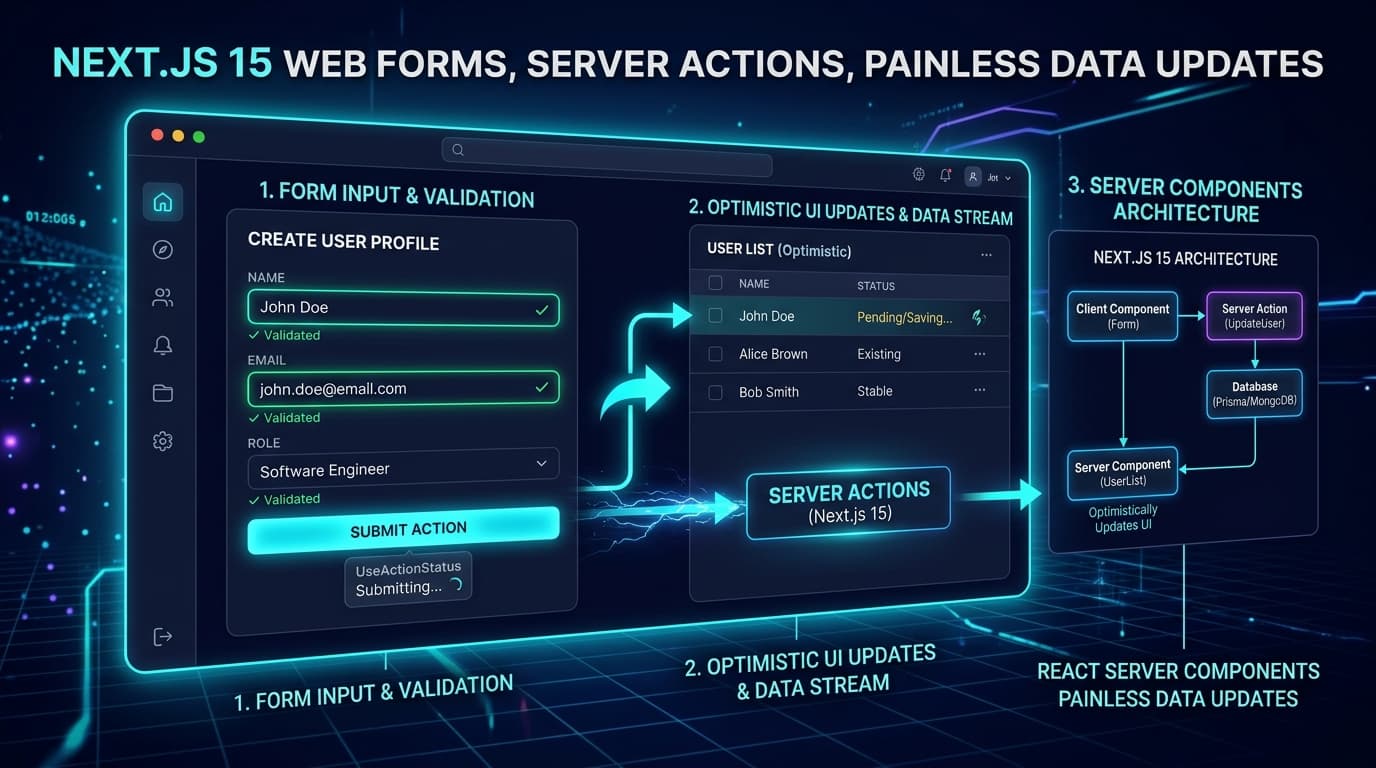
Building Simpler Web Forms: How Next.js 15 Makes Data Updates Quick and Painless
Master modern form handling with Next.js 15 and React 19. Learn how native Server Actions, useActionState, useOptimistic, and Zod schema validation eliminate boilerplate, achieve sub-50ms feedback, and ensure flawless data integrity.
AI Tool Creation & Software Modernization
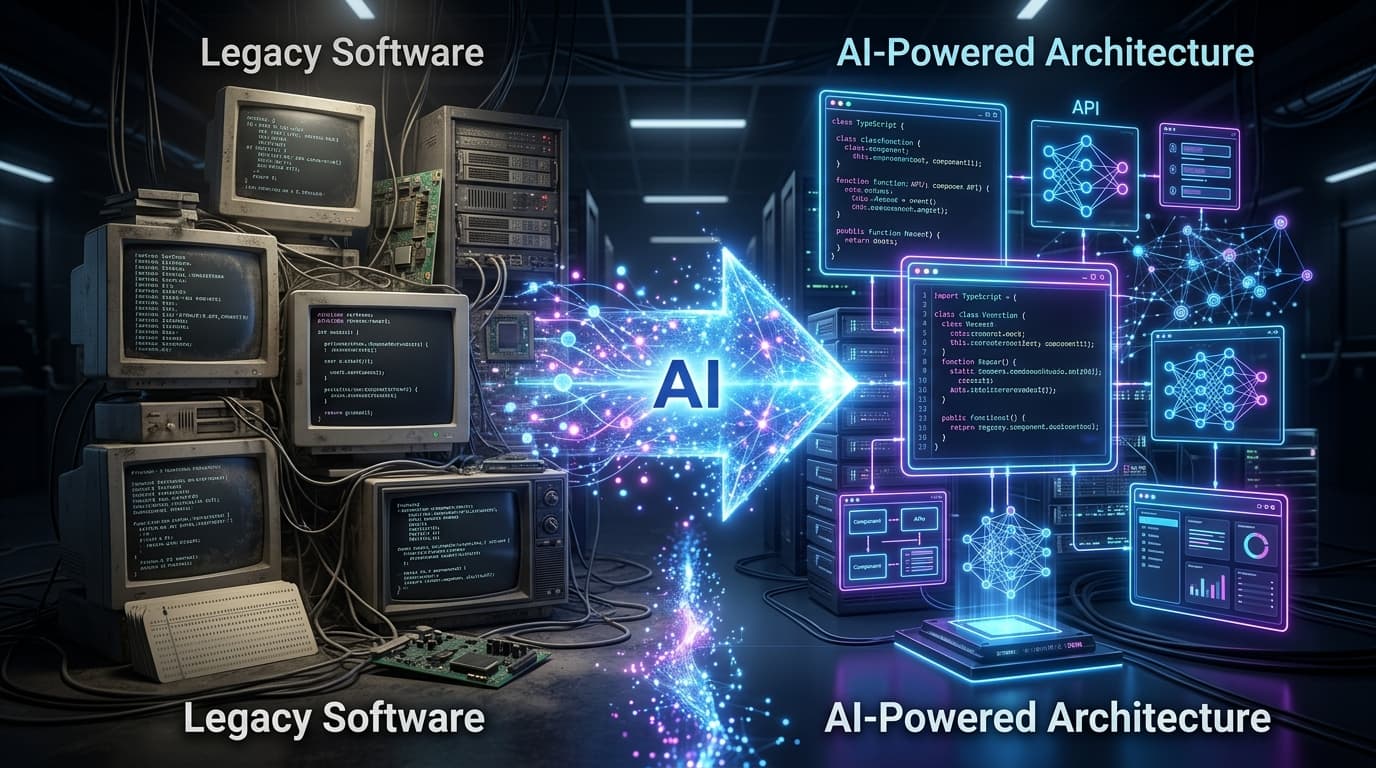
Upgrading Outdated Software with AI: How Modern Teams Automate Boring Code Updates Safely
Discover how modern engineering teams safely automate legacy software modernization using AI. Learn how Abstract Syntax Tree (AST) parsing, synthetic characterization testing, sandboxed refactoring agents, and human-in-the-loop verification reduce migration time by 80% with zero production downtime.