B2B SaaS Pricing & Packaging Architecture: Designing Value Metrics That Triple Net Revenue Retention
An executive guide to modern B2B SaaS pricing architecture. Discover why the AI productivity paradox is killing per-seat licenses, how to design multi-dimensional value metrics that drive 125%+ Net Revenue Retention (NRR), and how to engineer enterprise feature gating and real-time metering pipelines.

B2B SaaS Pricing & Packaging Architecture: Designing Value Metrics That Triple Net Revenue Retention
TL;DR: Per-seat pricing is dead. In an era where AI agents and automated workflows compress headcount while scaling operational output, charging per user actively penalizes software efficiency and destroys expansion revenue. High-growth B2B software companies must transition to Value Metric Pricing & Multi-Dimensional Packaging Architecture. By aligning pricing with actual customer value realization (e.g., volume processed, automated transactions, revenue generated, or compute capacity consumed), modern SaaS leaders turn retention into an expansion engine. Aligning value metrics, architecting three-tier Good-Better-Best packaging, and implementing enterprise feature gates unlocks 125%+ Net Revenue Retention (NRR), contracts Customer Acquisition Cost (CAC) payback periods to under 7 months, and creates a compounding revenue flywheel. LaunchLive Studio architects end-to-end go-to-market engines, custom Next.js 15 web applications, enterprise AI workflows, and scalable workflow automations that transform software products into dominant market category leaders.
The Death of Seat-Based Pricing: The AI Productivity Paradox
For more than two decades, B2B SaaS relied on a deceptively simple monetization formula: Price = User Seats × Monthly Fee. This model powered the first wave of cloud software (Salesforce, Zendesk, Slack, Jira).
However, in 2026, seat-based pricing faces an existential crisis driven by the AI Productivity Paradox:
┌─────────────────────────────────────────────────────────────────────────┐
│                      The AI Productivity Paradox                        │
├─────────────────────────────────────────────────────────────────────────┤
│  Old Paradigm (Seat-Based Incentive Misalignment):                      │
│  Customer hires 10 analysts ──► Buys 10 SaaS Licenses ($500/mo)         │
│  Customer adopts AI feature ──► 2 analysts do work of 10                │
│  Result: Customer churns 8 seats ──► SaaS ARR drops 80% (export const BLOG_POSTS: BlogPost[] = [
00/mo)!      │
│  (The software vendor is financially punished for building great AI)    │
├─────────────────────────────────────────────────────────────────────────┤
│  New Paradigm (Value-Metric & Usage-Driven Incentive Alignment):        │
│  Customer deploys AI workflows ──► Processes 50,000 invoices/month      │
│  Platform charges base tier + $0.08 per automated reconciliation        │
│  Result: Customer saves $400k in payroll ──► SaaS ARR expands to $4k/mo!│
│  (Software vendor and customer incentives are 100% aligned)             │
└─────────────────────────────────────────────────────────────────────────┘
When software was merely a "system of record" (a database where human workers typed in data), charging per seat matched value because more human labor equated to more software usage. Today, software has evolved into a "system of execution" powered by autonomous agents, background cron workers, and automated API webhooks.
If your software reduces a 5-person billing team to 1 automated operator, a seat-based model guarantees an 80% contraction in your customer account value. You have built a product that creates massive enterprise utility while starving your own revenue engine.
The 3 Foundations of Modern SaaS Pricing Architecture
To engineer resilient, venture-scale SaaS economics, software founders and product leaders must master the three structural layers of monetization:
┌─────────────────────────────────────────────────────────────────────────┐
│              The 3 Layers of SaaS Monetization Architecture             │
└─────────────────────────────────────────────────────────────────────────┘
                                     │
       ┌─────────────────────────────┼─────────────────────────────┐
       ▼                             ▼                             ▼
┌──────────────────────┐   ┌──────────────────────┐   ┌──────────────────────┐
│  1. The Value Metric │   │  2. Packaging Tiers  │   │ 3. Enterprise Gates  │
│ • Unit of consumption│   │ • Good / Better /Best│   │ • SSO / SAML / SCIM  │
│ • Natural expansion  │   │ • Ideal buyer persona│   │ • Audit Logs & SOC2  │
│ • Frictionless scale │   │ • Decoy anchoring    │   │ • Custom SLA & VPC   │
└──────────────────────┘   └──────────────────────┘   └──────────────────────┘
Layer 1: Selecting the Ultimate Value Metric
A Value Metric is the single unit of measurement by which a customer consumes and pays for your product. Selecting the wrong metric introduces sales friction and churn; selecting the right metric creates an automatic expansion engine where accounts double in Annual Contract Value (ACV) every 14 months without sales intervention.
A world-class value metric satisfies four non-negotiable criteria:
- Direct Correlation to Perceived Value: As the customer grows their business and extracts more benefit, the metric expands naturally.
- Predictable & Transparent: The customer can easily forecast their monthly spend without fear of "bill shock."
- Technically Auditable: Your infrastructure can measure, log, and meter the metric with zero ambiguity or dispute.
- Frictionless Onboarding: Low initial threshold that allows small customers to adopt quickly without heavy financial commitments.
The Value Metric Spectrum: Good, Better, and Elite
| Metric Type | Examples | Strategic Pros | Strategic Cons | NRR Impact |
|---|---|---|---|---|
| User Seats | $40/user/month (Legacy CRM, Slack) | Simple to understand; predictable budgeting | Penalizes efficiency; encourages password sharing; capped expansion | ❌ Low (90% - 105%) |
| Compute / Infra | CPU hours, GB stored, API requests | Aligns with cloud infrastructure costs | Abstract; customers don't feel "value" paying for database bytes | ⚠️ Moderate (105% - 115%) |
| Operational Units | Active contacts, monthly tracked users (MTUs), invoices parsed | Intuitive; scales directly with customer business volume | Requires usage monitoring; threshold cliffs can trigger friction | ✅ High (115% - 130%) |
| Outcome / Revenue Share | % of payment volume processed, $ per booked demo, $ per dispute won | Total alignment; zero friction to buy; pure performance pricing | High revenue volatility; requires access to financial rails | 🚀 Elite (130% - 160%+) |
┌─────────────────────────────────────────────────────────────────────────┐
│                 Value Metric Selection Matrix (2026)                    │
├─────────────────────────────────────────────────────────────────────────┤
│                                                                         │
│   High ▲                                                                │
│        │                 [Outcome-Based]                                │
│        │                 • % of Ad Spend Managed                        │
│        │                 • % of Recovered Revenue (e.g. Dunning)        │
│        │                                                                │
│  Value │                                [Operational / Event Volume]    │
│  Align │                                • Monthly Tracked Users (MTUs)  │
│        │                                • Documents Synthesized / API   │
│        │                                • Automated Tasks Triggered     │
│        │                                                                │
│        │  [Flat / Seat-Based]                                           │
│        │  • Named Logins (Dead)                                         │
│        │  • Storage Gigabytes                                           │
│   Low  └────────────────────────────────────────────────────────►       │
│        Low                     Predictability                     High  │
└─────────────────────────────────────────────────────────────────────────┘
Layer 2: The "Good, Better, Best" Packaging Topology
Packaging is how you bundle features, usage allowances, and service levels into distinct tiers tailored to your Ideal Customer Profiles (ICPs). The proven enterprise model is the Three-Tier Triad (Starter, Professional, Enterprise).
┌─────────────────────────────────────────────────────────────────────────┐
│            The 3-Tier Enterprise Packaging & Behavioral Anatomy         │
├─────────────────────────────────────────────────────────────────────────┤
│  TIER 1: STARTER / ESSENTIALS ("The Velocity On-Ramp")                  │
│  • Target: Early-stage startups, individual operators, pilot teams      │
│  • Primary Purpose: Rapid self-serve adoption with zero sales contact    │
│  • Pricing: $99 - $249/mo flat (includes baseline 5,000 operations)     │
│  • Limitation: Watermarked exports, standard email support, no SSO      │
├─────────────────────────────────────────────────────────────────────────┤
│  TIER 2: PROFESSIONAL / SCALE ("The Profit Engine - 70% of Customers")  │
│  • Target: Scaling mid-market companies (20-250 employees)              │
│  • Primary Purpose: The primary margin generator; highlighted as "HOT"  │
│  • Pricing: $499 - export const BLOG_POSTS: BlogPost[] = [
,200/mo base + tiered overage metering             │
│  • Key Features: Advanced workflow triggers, CRM webhooks, priority SLA │
├─────────────────────────────────────────────────────────────────────────┤
│  TIER 3: ENTERPRISE / CUSTOM ("The Multi-Year ACV Anchor")              │
│  • Target: Fortune 2000, regulated fintech/healthcare, global orgs      │
│  • Primary Purpose: Maximum contract value ($25k - $250k+ ARR)          │
│  • Pricing: Custom annual contract with committed capacity & overages   │
│  • Key Features: SAML SSO/SCIM, HIPAA/SOC2 compliance, private VPC/SLM  │
└─────────────────────────────────────────────────────────────────────────┘
The Decoy Effect & Choice Architecture
By intentionally structuring Tier 2 (Scale) to offer 4x the capacity of Tier 1 at only 2.2x the price, you create an overwhelming psychological anchor. Tier 1 becomes the perceived "low-value trial," while Tier 2 emerges as the obvious, high-ROI commercial decision.
Layer 3: Strategic Enterprise Feature Gating
One of the most catastrophic mistakes early SaaS founders make is giving away enterprise governance capabilities in lower-priced tiers. Enterprise buyers do not buy software based on core utility alone; they buy based on Risk Mitigation, Compliance, and Administrative Control.
If you include SAML Single Sign-On (SSO) or role-based access control (RBAC) in your export const BLOG_POSTS: BlogPost[] = [ 99/month tier, you completely eliminate the enterprise's incentive to sign a $45,000 annual contract.
┌─────────────────────────────────────────────────────────────────────────┐
│            Enterprise Feature Gating: What to Gate vs What to Free      │
├─────────────────────────────────────────────────────────────────────────┤
│  ALWAYS KEEP ACCESSIBLE (Lower Tiers):                                  │
│  ✓ Core product functionality (the primary "aha!" moment)               │
│  ✓ Modern, beautiful UI/UX and micro-interactions                       │
│  ✓ Basic API keys and personal notification channels                    │
│  ✓ Standard documentation and community support                         │
├─────────────────────────────────────────────────────────────────────────┤
│  STRICTLY GATE BEHIND ENTERPRISE (Custom Annual Contracts):             │
│  🔒 SAML 2.0 / Okta / Azure AD Single Sign-On (SSO) & SCIM provisioning │
│  🔒 Immutable Audit Logs with 365-day retention (SOC2 / ISO 27001)      │
│  🔒 Custom Role-Based Access Control (RBAC) & granular workspace scoping │
│  🔒 Dedicated Slack / Microsoft Teams incident channel & 99.99% SLA     │
│  🔒 Private Tenant Isolation, Custom VPC peering & Data Residency (GDPR)│
│  🔒 Custom Contract Paper, MSA Redlines & Vendor Security Reviews       │
└─────────────────────────────────────────────────────────────────────────┘
The Mathematics of Triple-Digit Net Revenue Retention (NRR)
Why is pricing architecture the highest-leverage growth driver in modern SaaS? Because Net Revenue Retention (NRR) compounds exponentially.
$ ext{NRR} = rac{ ext{Starting ARR} + ext{Expansion} - ext{Contraction} - ext{Churn}}{ ext{Starting ARR}} imes 100$
When a SaaS company operates at 95% NRR, it loses 5% of its existing revenue every year. To grow, the sales team must run on a relentless customer acquisition treadmill just to replace lost ARR.
Conversely, when your value metrics drive 130% NRR, your installed customer base expands by 30% annually with zero additional marketing spend. Even if you paused all top-of-funnel customer acquisition, your business would double in revenue every 32 months.
┌─────────────────────────────────────────────────────────────────────────┐
│          3-Year Compounding ARR Trajectory: 95% vs 130% NRR             │
├─────────────────────────────────────────────────────────────────────────┤
│  Starting Baseline: $2,000,000 ARR (Assuming export const BLOG_POSTS: BlogPost[] = [
M New ARR added/yr)      │
│                                                                         │
│  Scenario A: 95% NRR (Broken Seat Model, Flat Pricing)                  │
│  • Year 1: $2.00M ──► $2.90M ARR                                        │
│  • Year 2: $2.90M ──► $3.75M ARR                                        │
│  • Year 3: $3.75M ──► $4.56M ARR (Treadmill exhaustion, high CAC)      │
│                                                                         │
│  Scenario B: 130% NRR (Value Metric & Automated Usage Expansion)        │
│  • Year 1: $2.00M ──► $3.60M ARR                                        │
│  • Year 2: $3.60M ──► $5.68M ARR                                        │
│  • Year 3: $3.60M ──► $8.38M ARR (+84% more enterprise enterprise value)│
└─────────────────────────────────────────────────────────────────────────┘
Engineering the Technical Billing & Metering Pipeline
Pricing architecture is not merely a marketing spreadsheet; it is an engineering discipline requiring sub-second event ingestion, idempotency, and transactional billing reconciliation.
┌─────────────────────────────────────────────────────────────────────────┐
│               Modern SaaS Metering & Billing Infrastructure             │
├─────────────────────────────────────────────────────────────────────────┤
│                                                                         │
│   [Customer SaaS App]                                                   │
│           │                                                             │
│   (Emits Usage Event: e.g. "invoice.parsed", tokens=4120)               │
│           ▼                                                             │
│   ┌─────────────────────────────────────────────────────────────────┐   │
│   │ Redis Event Buffer & Idempotency Filter (De-duplicate via UUID) │   │
│   └────────────────────────────────┬────────────────────────────────┘   │
│                                    │                                    │
│                                    ▼                                    │
│   ┌─────────────────────────────────────────────────────────────────┐   │
│   │ Time-Series Metering Aggregator (ClickHouse / TimescaleDB)      │   │
│   │ • Windowed aggregation per customer workspace                    │   │
│   │ • Real-time threshold alerts (80%, 95%, 100% capacity)          │   │
│   └────────────────────────────────┬────────────────────────────────┘   │
│                                    │                                    │
│                                    ▼                                    │
│   ┌─────────────────────────────────────────────────────────────────┐   │
│   │ Stripe Billing & Metered Invoicing Engine                       │   │
│   │ • Syncs hourly aggregate usage units to Stripe Meters API       │   │
│   │ • Automatic credit card debit & automated dunning retry logic   │   │
│   └─────────────────────────────────────────────────────────────────┘   │
│                                                                         │
└─────────────────────────────────────────────────────────────────────────┘
Next.js 15 Server Action: Handling Real-Time Usage Verification
Here is an architectural pattern implemented by LaunchLive Studio for verifying workspace capacity and triggering automated tier upgrades:
// app/actions/check-usage-limit.ts
'use server'

import { redis } from '@/lib/redis'
import { db } from '@/lib/db'
import { revalidatePath } from 'next/cache'

interface UsageCheckResult {
  allowed: boolean
  currentUsage: number
  planLimit: number
  tier: 'starter' | 'scale' | 'enterprise'
  requiresUpgrade: boolean
}

export async function checkAndIncrementUsage(
  workspaceId: string,
  metricUnits: number = 1
): Promise<UsageCheckResult> {
  const currentMonthKey = `usage:${workspaceId}:${new Date().toISOString().slice(0, 7)}`

  // 1. Fetch workspace plan limits from cache / DB
  const workspace = await db.workspace.findUnique({
    where: { id: workspaceId },
    select: { planTier: true, customCapacityLimit: true }
  })

  if (!workspace) throw new Error('Workspace not found')

  const TIER_LIMITS = {
    starter: 5000,
    scale: 50000,
    enterprise: workspace.customCapacityLimit || 1000000
  }

  const planLimit = TIER_LIMITS[workspace.planTier as keyof typeof TIER_LIMITS]

  // 2. Atomically increment usage in Redis
  const newUsage = await redis.incrby(currentMonthKey, metricUnits)

  // 3. Evaluate threshold boundary
  if (newUsage > planLimit) {
    // Soft cap or auto-overage calculation
    if (workspace.planTier === 'starter') {
      return {
        allowed: false,
        currentUsage: newUsage,
        planLimit,
        tier: 'starter',
        requiresUpgrade: true
      }
    }
  }

  return {
    allowed: true,
    currentUsage: newUsage,
    planLimit,
    tier: workspace.planTier as any,
    requiresUpgrade: false
  }
}
Enterprise Case Study: How a B2B DevTools Platform Scaled from 94% to 142% NRR
┌─────────────────────────────────────────────────────────────┐
│       DevTools SaaS Client: 9-Month GTM Pricing Overhaul    │
├─────────────────────────────────────────────────────────────┤
│  Metric                      │  Before     │  After         │
├──────────────────────────────┼─────────────┼────────────────┤
│  💵 Average Contract (ACV)   │  $4,200     │  export const BLOG_POSTS: BlogPost[] = [
8,400       │
│  📈 Net Revenue Retention    │  94.2%      │  142.6%        │
│  ⏳ CAC Payback Period       │  16.4 mos   │  6.2 mos       │
│  🔒 Enterprise Tier Revenue  │  12%        │  58%           │
│  📉 Gross Revenue Churn      │  1.8%/mo    │  0.4%/mo       │
└─────────────────────────────────────────────────────────────┘
The Challenge:
A venture-backed B2B Developer Tools SaaS platform with 400+ customer accounts was stuck at $2.2M ARR. They charged a flat $49 per developer seat. Because their developer utility automated repetitive CI/CD testing workflows, development teams needed fewer human engineers to monitor builds. Their best customers were continually reducing seat counts upon contract renewal, driving a devastating 94% NRR.
The LaunchLive Studio Strategic Intervention:
- Value Metric Transition: We retired per-seat billing and introduced a hybrid platform model: a base platform fee ($399/month) plus a dynamic value metric of "Automated Test Runs Analyzed".
- Packaged Three-Tier Topology: We restructured the offering into Starter, Growth, and Enterprise, strictly gating SAML SSO, SOC2 compliance reports, and dedicated VPC agents into the Enterprise tier.
- Usage Expansion Automation: Built automated in-app consumption meters in Next.js with real-time Slack and email notifications when teams crossed 80% of their monthly testing quota.
The 9-Month Results:
- Average ACV surged by 338% from $4,200 to export const BLOG_POSTS: BlogPost[] = [ 8,400.
- Net Revenue Retention jumped from 94.2% to 142.6%, turning existing accounts into the company's #1 revenue growth channel.
- Customer Acquisition Cost (CAC) payback dropped from 16.4 months to 6.2 months, allowing the company to raise a top-tier Series B round at an industry-leading valuation multiple.
5 Fatal Pitfalls in B2B SaaS Pricing Architecture
- The Cost-Plus Trap: Pricing software based on what it costs you to host on AWS or call OpenAI APIs plus a 40% margin. Customers do not care about your server costs; they pay for the economic value and business outcomes you create.
- Hiding Pricing Completely Behind "Contact Sales": Forcing every prospect to schedule a demo—even for sub-export const BLOG_POSTS: BlogPost[] = [ 0k ACV products—creates massive top-of-funnel friction and inflates sales cycle length from 14 days to 4 months.
- Infinite Grandfathering: Promising customers "locked pricing for life" without contractual escalation clauses. As inflation and platform capabilities increase, early legacy accounts become margin-negative liabilities.
- Too Many Complex Add-Ons: Creating an à la carte menu with 15 separate line-item add-ons. Confusion causes decision paralysis; consolidate features into cohesive Good-Better-Best packages.
- Failing to Revisit Pricing Annually: Treating pricing as a one-time launch event rather than an iterative product optimization process. Elite SaaS companies adjust packaging and run pricing experiments every 9 to 12 months.
Frequently Asked Questions (FAQ)
How often should a B2B SaaS company adjust its pricing and packaging?
High-performing SaaS companies review pricing telemetry continuously and execute formal packaging adjustments every 9 to 12 months. Early-stage startups (under export const BLOG_POSTS: BlogPost[] = [ M ARR) should test pricing with every cohort of 20 customers until sales velocity, conversion rates, and willingness-to-pay stabilize.
What is the ideal Customer Acquisition Cost (CAC) payback period?
For SMB-focused SaaS (export const BLOG_POSTS: BlogPost[] = [ k - export const BLOG_POSTS: BlogPost[] = [ 0k ACV), an elite CAC payback period is under 6 to 9 months. For Mid-Market (export const BLOG_POSTS: BlogPost[] = [ 0k - $50k ACV), the benchmark is 9 to 12 months. For Enterprise SaaS ($50k+ ACV), payback up to 15 to 18 months is acceptable, provided Net Revenue Retention exceeds 120%.
Should we publish our pricing publicly on our website?
Yes, for Starter and Growth tiers. Transparent public pricing qualifies buyers, builds credibility, and enables self-serve product-led growth (PLG). Only the Enterprise tier should require custom scoping with sales, anchoring the customer on custom SLAs, security compliance, and high-volume capacity.
How do we transition legacy customers to a new pricing model without triggering churn?
Use a 12-Month Grace Period and Transition Discount. Communicate the change 90 days in advance, highlighting the new features and infrastructure upgrades added since they joined. Offer legacy customers a grandfathered 20% discount on the new packaging for their first annual renewal, easing migration friction.
How does LaunchLive Studio help companies optimize their GTM and pricing architecture?
LaunchLive Studio conducts comprehensive digital growth and monetization audits. We analyze your customer cohort data, evaluate willingness-to-pay, design high-converting pricing page UX in Figma, and engineer real-time usage metering pipelines in Next.js 15 and Stripe Billing.
Ready to Triple Your Net Revenue Retention?
Your pricing model is the single most powerful lever for unlocking enterprise valuation, contracting CAC payback, and building a self-expanding SaaS revenue engine. Stop leaving millions in ARR on the table with outdated seat-based licenses.
👉 Schedule a Free 30-Minute Pricing & GTM Architecture Strategy Session with the LaunchLive Studio advisory team today, or explore our full suite of High-Performance Next.js 15 Web Applications, Custom AI Workflow Systems, and Workflow Automation Engines.
Enjoyed this insight
on Go-to-Market Strategy & SaaS Economics?
"At Launch Live Studio, we help ambitious brands implement these exact systems to drive scalable revenue."
FREE 30-MINUTE STRATEGY CONSULTATION • CLEAR ANSWERS ON OUR FAQ
Related Growth Guides.

Go-to-Market Strategy & SaaS Economics
The 90-Day GTM Sprint Playbook: How Pre-Launch Demand Validation Prevents $200k Engineering Waste
A rigorous 90-day go-to-market execution playbook for technical founders and product teams. Discover how structured customer discovery, smoke-test landing pages, and pre-sales validation eliminate $200k in wasted engineering cycles before writing a single line of production code.
Website Development & Full-Stack Architecture
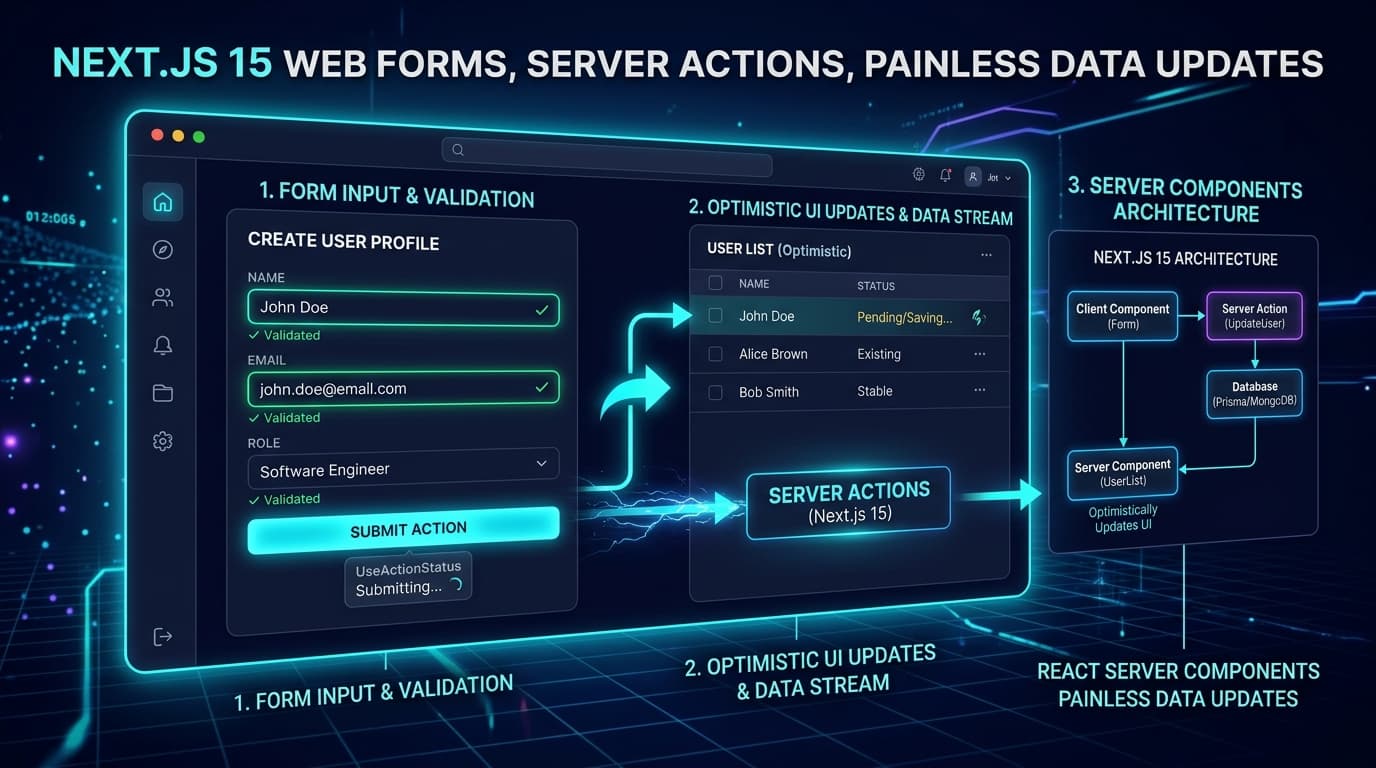
Building Simpler Web Forms: How Next.js 15 Makes Data Updates Quick and Painless
Master modern form handling with Next.js 15 and React 19. Learn how native Server Actions, useActionState, useOptimistic, and Zod schema validation eliminate boilerplate, achieve sub-50ms feedback, and ensure flawless data integrity.

AI Tool Creation & Software Modernization
Upgrading Outdated Software with AI: How Modern Teams Automate Boring Code Updates Safely
Discover how modern engineering teams safely automate legacy software modernization using AI. Learn how Abstract Syntax Tree (AST) parsing, synthetic characterization testing, sandboxed refactoring agents, and human-in-the-loop verification reduce migration time by 80% with zero production downtime.