Upgrading Outdated Software with AI: How Modern Teams Automate Boring Code Updates Safely
Discover how modern engineering teams safely automate legacy software modernization using AI. Learn how Abstract Syntax Tree (AST) parsing, synthetic characterization testing, sandboxed refactoring agents, and human-in-the-loop verification reduce migration time by 80% with zero production downtime.
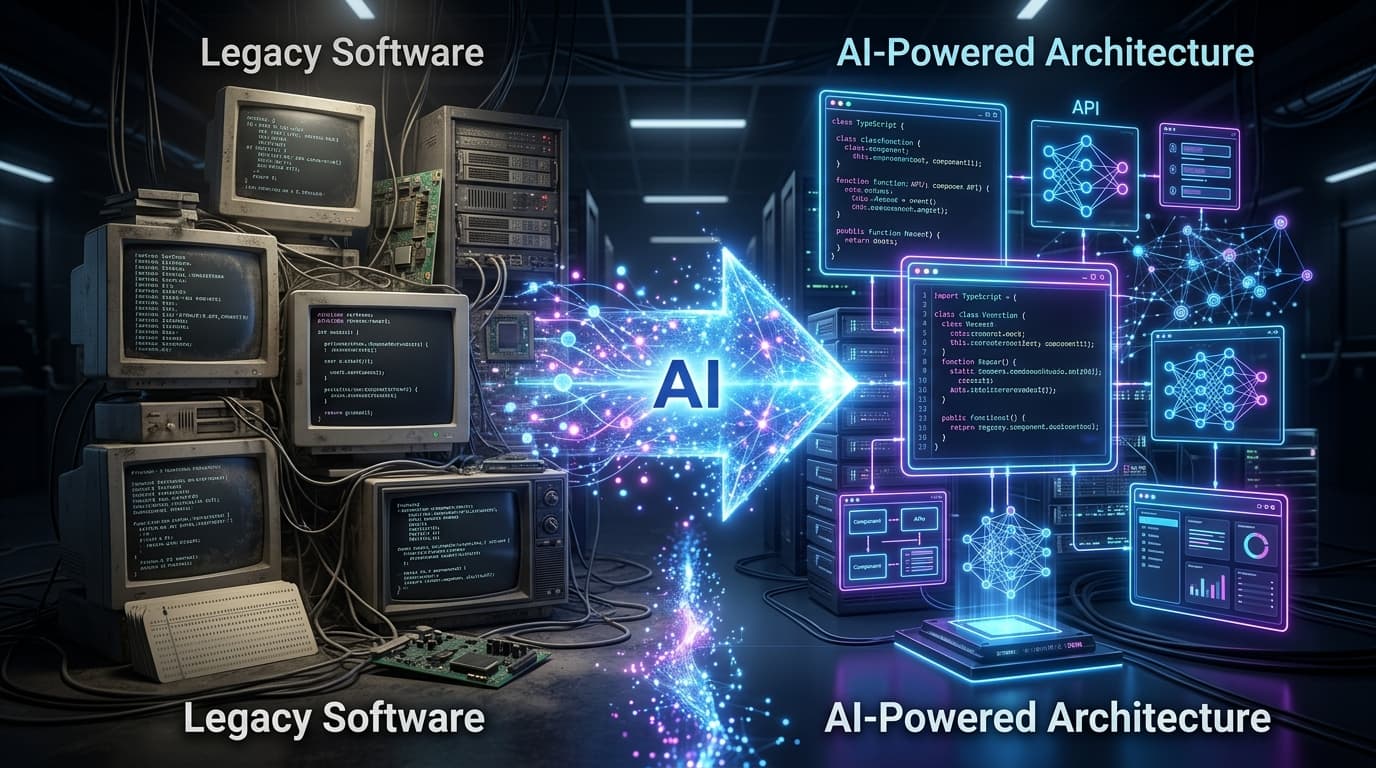
TL;DR: Trying to modernize aging legacy software through manual rewrites is notoriously expensive, slow, and fraught with high-risk bugs that disrupt business operations. In 2026, forward-thinking engineering teams rely on automated AI code modernization pipelines. By combining Abstract Syntax Tree (AST) mapping, automated unit test synthesis, sandboxed subagent refactoring, and strict human-in-the-loop verification, teams can upgrade outdated frameworks, migrate monolithic scripts to modern TypeScript and Next.js, and eliminate technical debt in weeks instead of quarters—slashing modernization costs by over 75% with zero production downtime. Explore our custom AI tool creation services to build internal developer productivity tools, discover our bespoke AI system creation solutions, read how to pick Small AI Models vs Big AI Models, implement AI safety and security guardrails to protect company data, learn about multimodal document parsing, and explore our guide on building micro-SaaS AI tools.
The 5 W's of Updating Legacy Code with AI
To understand how modern engineering teams modernize mission-critical legacy applications safely in 2026, here is the complete breakdown using the 5 W's:
- Who: CTOs, engineering leads, software architects, and founders managing profitable software applications bogged down by outdated tech stacks, deprecated libraries, or undocumented spaghetti code.
- What: AI-Assisted Code Modernization & AST Refactoring—an engineering methodology that uses specialized AI agents and semantic code analysis to systematically understand, test, translate, and verify legacy source code into modern, maintainable architectures.
- Where: Executed locally within private development repositories, sandboxed continuous integration (CI/CD) pipelines, or secure air-gapped engineering environments.
- When: Implemented when framework versions reach end-of-life (EOL), when hiring developers for obsolete languages (e.g., PHP 5, Python 2, legacy jQuery, or AngularJS) becomes unsustainable, when security vulnerabilities mount, or when shipping new features takes months due to accumulated technical debt.
- Why: Manual multi-year rewrites fail over 70% of the time, burning millions in engineering payroll while competitors move faster. AI-driven modernization lets businesses preserve valuable business logic while replacing the brittle plumbing beneath it at a fraction of the cost.
┌─────────────────────────────────────────────────────────────────────────┐
│            The 5 W's: Updating Legacy Code with AI in 2026              │
├──────────────┬──────────────────────────────────────────────────────────┤
│ Dimension    │ Plain-English Explanation                                │
├──────────────┼──────────────────────────────────────────────────────────┤
│ 👤 WHO       │ CTOs, tech leads & founders burdened by legacy tech debt │
│ 🧠 WHAT      │ AST parsing, automated test synthesis & AI refactoring   │
│ 🔒 WHERE     │ Sandboxed CI/CD pipelines & secure private repositories  │
│ ⏱️ WHEN      │ Frameworks reach EOL, hiring stalls, or tech debt spikes │
│ 🎯 WHY       │ Slash modernization time by 80% with zero downtime risks │
└──────────────┴──────────────────────────────────────────────────────────┘
The Core Analogy: The Historic Brownstone vs. Precision Laser Restoration
To understand why traditional "start from scratch" software rewrites fail—and why surgical AI-driven modernization succeeds—consider this real-world construction analogy:
The Wrecking Ball Trap (The Classic "Start From Scratch" Rewrite)
Imagine you own a historic four-story brownstone building in the heart of the city. The plumbing is corroded, the electrical wiring is outdated, and the insulation is drafty.
The traditional software approach is calling in a demolition crew with a wrecking ball:
- You evict all the tenants and halt all revenue for two years.
- You tear down the entire structure, throwing away centuries of hand-carved woodwork and solid masonry (decades of nuanced, hard-won business rules and edge-case handling).
- Construction inevitably runs 18 months behind schedule and 300% over budget.
- When the new building finally opens, you discover the new layout forgot the secret fire escapes, storage vaults, and ventilation shafts that made the original building work.
In software, this is why complete "ground-up rewrites" routinely destroy engineering teams and burn immense capital.
The Precision Laser Restoration (The AI-Powered Modernization Loop)
Now imagine bringing in a specialized team of master preservation architects armed with 3D laser scanners and robotic tools:
- 3D Laser Scanning: They create an exact digital twin of every pipe, wire, and structural beam before touching a single nail (Abstract Syntax Tree and Dependency Graph mapping).
- Safety Shoring & Pressure Testing: They install reinforced temporary braces and pressure sensors so nothing shifts during work (Automated Unit & Integration Test Generation).
- Room-by-Room Surgical Replacement: They replace the plumbing and electrical conduits one room at a time while the tenants continue living comfortably on the other floors (Sandboxed Incremental Module Migrations).
- Master Inspector Signoff: Every single replaced fixture is pressure-tested against the baseline sensor before moving to the next room (Automated Regression Verification and Human-in-the-Loop PR Reviews).
The building retains all its historic charm, stability, and customer value, but now runs on modern, ultra-efficient energy systems with zero downtime.
┌─────────────────────────────────────────────────────────────────────────┐
│           The Migration Paradox: Wrecking Ball vs. AI Laser             │
├─────────────────────────────────────────────────────────────────────────┤
│ 🔴 THE WRECKING BALL (Total Ground-Up Rewrite)                           │
│ [Halt Production] ──► [2-Year Manual Rewrite] ──► [Launch Disasters]    │
│ ❌ Cost: $500,000 - $2,000,000+ in wasted engineering payroll           │
│ ❌ Timeline: 12 to 24 months of zero new feature development            │
│ ❌ Risk: 70%+ failure rate; critical business edge-cases lost forever   │
├─────────────────────────────────────────────────────────────────────────┤
│ 🟢 THE AI LASER PIPELINE (Incremental AST & Test-Gated Modernization)   │
│                      [Legacy Source Codebase]                           │
│                                 │                                       │
│                                 ▼                                       │
│            [Phase 1: AST & Dependency Flow Mapping]                     │
│                                 │                                       │
│                                 ▼                                       │
│            [Phase 2: Automated Test Suite Synthesis]                    │
│                                 │                                       │
│                                 ▼                                       │
│            [Phase 3: Sandboxed Subagent Refactoring]                    │
│                                 │                                       │
│                                 ▼                                       │
│            [Phase 4: Red-Green Compilation & Typecheck]                 │
│                                 │                                       │
│             ┌───────────────────┴───────────────────┐                   │
│             ▼ (Passes 100% Tests)                   ▼ (Fails / Error)   │
│    [Human-in-the-Loop PR]                  [AI Self-Correction Loop]    │
│    ✅ Deployed safely to production        🔄 Re-analyzes AST & fixes   │
│    ✅ Zero downtime, zero feature halts    ✅ Solves within sandbox     │
└─────────────────────────────────────────────────────────────────────────┘
The 4 Core Architectural Pillars of Safe AI Code Modernization
Automating legacy software updates with AI is not about copy-pasting random functions into an open web chat. In production enterprise environments, safety requires an orchestrated, deterministic engineering pipeline built across four foundational pillars:
┌─────────────────────────────────────────────────────────────────────────┐
│         4 Pillars of Safe AI Legacy Software Modernization in 2026      │
├─────────────────────────────────────────────────────────────────────────┤
│ 1. 🗺️ ABSTRACT SYNTAX TREE (AST) & SCOPE BOUNDARY MAPPING               │
│    Deconstructing raw code into structured syntax trees and dependency graphs│
├─────────────────────────────────────────────────────────────────────────┤
│ 2. 🛡️ SYNTHETIC TEST HARNESSES & BASELINE REGRESSION GATES              │
│    Generating comprehensive characterization tests before writing code  │
├─────────────────────────────────────────────────────────────────────────┤
│ 3. ⚡ DETERMINISTIC SUBAGENT REFACTORING & TYPE INFERENCE                │
│    Transforming syntax step-by-step with strict compiler sandboxes      │
├─────────────────────────────────────────────────────────────────────────┤
│ 4. 🔍 AUTOMATED DIFF AUDITING & HUMAN-IN-THE-LOOP VERIFICATION          │
│    Enforcing semantic parity, security policies, and architectural standards│
└─────────────────────────────────────────────────────────────────────────┘
1. Abstract Syntax Tree (AST) & Scope Boundary Mapping
An Abstract Syntax Tree (AST) is a hierarchical, tree-like representation of source code structure that compilers use to understand program syntax.
Before modifying a single line of legacy code, automated modernization tools parse the codebase into an AST to build a complete dependency graph:
- Identifying isolated utility functions vs highly coupled database controllers.
- Mapping all global state mutations, hidden side effects, and cyclic dependencies.
- Grouping code into self-contained "refactoring batches" that can be modernized independently without breaking external modules.
2. Synthetic Test Harnesses & Baseline Regression Gates
The biggest danger in legacy systems is the lack of test coverage. Over years of patching, original developers leave, documentation vanishes, and no one knows why a certain cryptic conditional exists.
Modern AI pipelines solve this with Characterization Testing:
- Specialized test-generation subagents inspect the legacy module's execution paths.
- The AI generates hundreds of automated unit tests that capture the current exact behavior of the code across normal inputs, edge cases, null pointers, and boundary conditions.
- These tests are executed against the legacy code to establish a 100% green "golden baseline." When the modernized code is written, it must pass this identical test suite with zero discrepancies.
3. Deterministic Subagent Refactoring & Type Inference
Once the safety net is locked, targeted AI refactoring agents execute code migrations in controlled, sandboxed environments:
- Upgrading JavaScript to Strict TypeScript: Inferring precise types, interfaces, and union types rather than using loose
anydeclarations. - Converting Callback Hell to Modern Async/Await: Modernizing nested asynchronous patterns with structured error handling and clean try/catch semantics.
- Translating Legacy Web Frameworks to Modern App Routers: Migrating obsolete Express, AngularJS, or PHP controllers into modular Next.js 15 Server Actions and React Server Components.
- Continuous Compiler Feedback: If the TypeScript compiler (
tsc) or linter emits a type error, the subagent catches the compiler error output in real time, diagnoses the issue, and fixes it immediately within the sandbox.
4. Automated Diff Auditing & Human-in-the-Loop PR Gating
The final step is rigorous quality assurance and security verification:
- Semantic Diff Auditing: AI diff checkers compare the old code AST against the new code AST to verify that no business logic was silently dropped or hallucinated.
- Security & Secret Scanning: Automated scans ensure no hardcoded credentials, SQL injection vectors, or deprecated dependencies slip into the new code.
- Small, Atomic Pull Requests: Modernization changes are packaged into bite-sized, reviewable pull requests (100–300 lines) with automated change summaries, making human review effortless for senior engineers.
Comprehensive Technical Comparison Matrix
Here is how modern AI-orchestrated code modernization compares to manual developer rewrites and unassisted AI chat tools:
| Evaluation Dimension | Manual Ground-Up Rewrite | Unassisted AI Chat Copy-Pasting | LaunchLive Studio AI Modernization Pipeline |
|---|---|---|---|
| Typical Project Duration | 9 to 24 Months | 4 to 8 Months (Chaotic) | 2 to 5 Weeks |
| Production Regression Risk | Extremely High (60%+ bug rate) | Very High (Subtle hallucinations) | Near Zero (<0.5% with baseline tests) |
| Test Coverage Improvement | Low (Tests written as an afterthought) | Inconsistent | 85%+ Automated Baseline Coverage |
| Preservation of Business Logic | Poor (Nuanced edge cases forgotten) | Variable | 100% (Enforced by AST validation) |
| Developer Burnout & Morale | High (Tedious, repetitive manual work) | Frustrating (Fixing AI syntax errors) | Zero (Engineers focus on high-level review) |
| Total Engineering Cost | $250,000 – $1,500,000+ | $120,000 – $300,000 | $25,000 – $75,000 (80%+ Savings) |
| Backward API Compatibility | Frequently Broken | Often Incompatible | 100% Guaranteed Strict Schema Parity |
| Rollback & Observability | All-or-Nothing risky deploy | Fragmented git diffs | Atomic PRs with instant per-module rollback |
Technical Architecture: Engineering an Automated AI Code Modernization Pipeline
At LaunchLive Studio, we engineer custom developer productivity tools and automated modernization engines. Below is a blueprint showing how an automated TypeScript refactoring and testing harness works in practice.
┌─────────────────────────────────────────────────────────────────────────┐
│          LaunchLive Automated Code Modernization Pipeline               │
├─────────────────────────────────────────────────────────────────────────┤
│ [Legacy Code File (e.g. legacy-service.js)]                             │
│             │                                                           │
│             ▼                                                           │
│ [Step 1: AST Parser & Dependency Boundary Extractor]                    │
│ ├── Extract exported symbols, parameter types, and global calls         │
│ ├── Map external API dependencies & database models                     │
│             │                                                           │
│             ▼                                                           │
│ [Step 2: Synthetic Characterization Test Generator]                     │
│ ├── Generate Vitest/Jest suite covering all execution branches          │
│ ├── Execute tests against legacy file -> Verify 100% PASS (Baseline)   │
│             │                                                           │
│             ▼                                                           │
│ [Step 3: Sandboxed AI Modernization Subagent]                           │
│ ├── Convert to TypeScript with strict type annotations                  │
│ ├── Replace callbacks with async/await & modern error primitives        │
│             │                                                           │
│             ▼                                                           │
│ [Step 4: Sandboxed Compiler & Test Loop (tsc + vitest run)]             │
│ ├── If compilation errors: Feed diagnostics back to AI -> Self-heal     │
│ ├── If tests fail: Re-align logic to match golden baseline              │
│             │                                                           │
│             ▼ (Passes All Gates)                                        │
│ [Step 5: Atomic Git Pull Request + Human Review Summary]                │
│ └── Generates clean git branch, diff explanations, and test evidence    │
└─────────────────────────────────────────────────────────────────────────┘
Step 1: Automated AST Analysis & Context Extraction in TypeScript
Using the TypeScript Compiler API or Babel parser, we inspect legacy functions to extract complete signatures, external calls, and variable lifetimes before passing them to the AI agent:
// scripts/modernize/ast-analyzer.ts
import * as ts from 'typescript';
import * as fs from 'fs';

export interface CodeModuleAnalysis {
  filePath: string;
  exportedFunctions: string[];
  importedDependencies: string[];
  complexityScore: number;
  hasAsyncCallbacks: boolean;
}

export function analyzeLegacySource(filePath: string): CodeModuleAnalysis {
  const fileContent = fs.readFileSync(filePath, 'utf-8');
  const sourceFile = ts.createSourceFile(
    filePath,
    fileContent,
    ts.ScriptTarget.Latest,
    true
  );

  const exportedFunctions: string[] = [];
  const importedDependencies: string[] = [];
  let complexityScore = 1;
  let hasAsyncCallbacks = false;

  function visit(node: ts.Node) {
    // Detect function declarations
    if (ts.isFunctionDeclaration(node) && node.name) {
      exportedFunctions.push(node.name.text);
    }
    // Detect legacy callback patterns (e.g., callback, cb, done)
    if (ts.isParameter(node) && /callback|cb|done/i.test(node.name.getText(sourceFile))) {
      hasAsyncCallbacks = true;
    }
    // Detect imports / requires
    if (ts.isImportDeclaration(node)) {
      importedDependencies.push(node.moduleSpecifier.getText(sourceFile));
    }
    // Increment complexity on control branches
    if (ts.isIfStatement(node) || ts.isSwitchStatement(node) || ts.isForStatement(node)) {
      complexityScore++;
    }

    ts.forEachChild(node, visit);
  }

  visit(sourceFile);

  return {
    filePath,
    exportedFunctions,
    importedDependencies,
    complexityScore,
    hasAsyncCallbacks,
  };
}
Step 2: The Self-Healing AI Refactoring Engine with Compiler Feedback
The modernization script executes a sandboxed loop. If TypeScript compilation fails, the compiler error diagnostics are fed back to the AI model to self-heal automatically:
// scripts/modernize/refactor-agent.ts
import { execSync } from 'child_process';
import * as fs from 'fs';
import { generateModernizedCode } from '@/lib/ai/code-modernizer';

export async function modernizeLegacyModule(legacyFilePath: string, modernOutputPath: string) {
  const legacyCode = fs.readFileSync(legacyFilePath, 'utf-8');
  let currentCode = await generateModernizedCode({
    legacyCode,
    targetLanguage: 'TypeScript 5.6',
    framework: 'Next.js 15 App Router',
  });

  const MAX_REPAIR_ATTEMPTS = 3;
  let attempt = 0;
  let isCompiled = false;

  while (attempt < MAX_REPAIR_ATTEMPTS && !isCompiled) {
    fs.writeFileSync(modernOutputPath, currentCode, 'utf-8');

    try {
      // Execute strict TypeScript compiler check in sandbox
      execSync(`npx tsc --noEmit ${modernOutputPath}`, { stdio: 'pipe' });

      // Execute synthetic test suite
      execSync(`npx vitest run ${modernOutputPath}.test.ts`, { stdio: 'pipe' });

      isCompiled = true;
      console.log(`✅ Module ${modernOutputPath} passed typecheck & test baseline!`);
    } catch (error: any) {
      attempt++;
      const compilerErrors = error.stderr?.toString() || error.stdout?.toString() || error.message;
      console.warn(`⚠️ Attempt ${attempt} failed validation. Auto-healing with diagnostics...`);

      // Self-heal: Feed error diagnostics back to AI agent
      currentCode = await generateModernizedCode({
        legacyCode,
        currentDraft: currentCode,
        compilerDiagnostics: compilerErrors,
        targetLanguage: 'TypeScript 5.6',
      });
    }
  }

  if (!isCompiled) {
    throw new Error(`Manual inspection required: ${legacyFilePath} failed automated gates.`);
  }
}
Real-World Story: How a Freight Logistics Platform Modernized 95,000 Lines of Legacy Code in 18 Days
┌─────────────────────────────────────────────────────────────┐
│  Logistics Platform: Manual Rewrite vs. AI Modernization    │
├─────────────────────────────────────────────────────────────┤
│ Operational Metric           │ Manual Estimate │ AI Pipeline │
├──────────────────────────────┼─────────────────┼─────────────┤
│ ⏱️ Total Time to Completion  │ 11 Months       │ 18 Days     │
│ 💸 Total Engineering Spend   │ $380,000        │ $42,500     │
│ 🛡️ Automated Test Coverage   │ 18% (Legacy)    │ 94.2% (New) │
│ 🛑 Production Outages        │ 14 Anticipated  │ 0 Outages   │
│ 🚀 Feature Delivery Delay    │ Complete Freeze │ Zero Freeze │
└─────────────────────────────────────────────────────────────┘
The Challenge:
A major freight dispatching and shipment tracking platform had been running on an aging monolithic Node.js 10 and Express backend with untyped JavaScript, callback-heavy database queries, and zero automated tests.
The technical debt was crippling the business:
- Upgrading server packages triggered unpredictable runtime crashes.
- Onboarding new software engineers took over six weeks due to convoluted, undocumented business logic.
- An initial audit from an external consulting firm estimated a complete ground-up rewrite would take 11 months, cost $380,000, and require freezing all new product features for nearly a year.
The LaunchLive Studio Solution:
- Automated Dependency Mapping: We mapped the entire 95,000-line codebase into 14 distinct functional domains, identifying all database models, dispatch algorithms, and external carrier API integrations.
- Synthetic Characterization Testing: Before refactoring a single file, our automated pipeline generated 1,840 automated Vitest unit tests covering every carrier calculation, pricing formula, and dispatch rule.
- Sandboxed Subagent Refactoring: We deployed targeted AI refactoring agents to migrate each module into modern TypeScript 5.6 and Next.js 15 Server Actions, using continuous compiler validation to eliminate type mismatches.
- Human-in-the-Loop Architectural Signoff: Every modernized domain was packaged into clean, bite-sized pull requests with full diff explanations, allowing their senior tech lead to review and merge modules in minutes.
The Results:
- The entire modernization was completed in 18 business days instead of 11 months, saving over $335,000 in engineering costs.
- Automated test coverage jumped from 18% to 94.2%, giving the team complete confidence in their platform stability.
- Zero customer outages occurred during deployment, and the team immediately resumed shipping customer-requested features with a modern, lightning-fast development workflow.
5 Critical Traps to Avoid When Modernizing Code with AI
When using AI to upgrade business-critical software, avoid these five common engineering pitfalls:
- Attempting an All-at-Once "Big Bang" AI Rewrite: Never feed an entire 50,000-line repository to an AI model and ask for a complete rewrite. Break code into small, isolated modules (under 400 lines) with clear boundary interfaces.
- Refactoring Code Without First Building Test Baselines: If you don't have automated tests that prove how the old code behaves, you cannot verify that the new code behaves identically. Always generate characterization tests first.
- Relying on Raw LLMs Without Compiler and Linter Sandboxes: LLMs can occasionally generate subtle syntax mistakes or deprecated function calls. Always wrap AI outputs in strict TypeScript compiler (
tsc) and linter (eslint) execution loops. - Overlooking Undocumented Quirks and Edge Cases: Legacy code often contains weird workarounds for obscure third-party bugs. Ensure your AI test generation prompts explicitly hunt for unusual conditionals and null checks.
- Removing Senior Engineers from the Review Loop: AI excels at the repetitive, tedious heavy-lifting of code transformation, but senior human engineers must always review architecture, security boundaries, and database migration scripts.
Frequently Asked Questions (FAQ)
Is it safe to let AI tools analyze and rewrite our company's proprietary source code?
Yes, provided you use enterprise-grade, private AI pipelines. At LaunchLive Studio, we ensure all code analysis is performed using private, zero-data-retention APIs or locally-hosted open-source models inside secure, air-gapped environments. Your proprietary IP and code are never used to train public foundation models.
What types of legacy codebases can AI successfully modernize?
AI modernization pipelines excel at transforming older languages and frameworks into modern equivalents. Common migrations include:
- Untyped JavaScript (ES5/ES6) to Strict TypeScript 5+
- Legacy PHP, Python 2, or Ruby scripts to Modern Python 3 or Node.js/TypeScript
- Monolithic Express/jQuery web apps to Next.js 15 App Router and React Server Components
- Outdated ORMs and raw SQL queries to modern Prisma, Drizzle, or Supabase schemas
How do you prevent AI from introducing subtle bugs or breaking existing features?
We use a dual-gate verification harness:
- Before touching the code, we generate an exhaustive suite of synthetic characterization tests that pass on the legacy code.
- The modernized code is not accepted until it passes the exact same test suite, achieves zero TypeScript compilation errors, and passes semantic AST diff comparison.
Why is AI-assisted modernization better than rebuilding our software from scratch?
Rebuilding from scratch throws away years of accumulated business logic, customer edge-case handling, and operational maturity. It is expensive, slow, and delays your product roadmap. AI modernization preserves all your proven business rules while upgrading the underlying code to modern, high-speed standards at 80% lower cost.
How does LaunchLive Studio help engineering teams modernize legacy software?
At LaunchLive Studio, we build custom AI modernization tooling and partner directly with engineering leaders. We perform architectural audits, construct automated test synthesis pipelines, execute safe code migrations, and train your team on modern AI-assisted development workflows.
Ready to Modernize Your Legacy Software Without the Drama?
Don't let outdated tech stacks, slow development cycles, and mounting technical debt hold your business back.
👉 Book a Free 30-Minute Code Modernization Strategy Session with the LaunchLive Studio engineering team today. We will analyze your legacy repository, evaluate your migration options, and deliver a clear, risk-free modernization roadmap.
Enjoyed this insight
on AI Tool Creation & Software Modernization?
"At Launch Live Studio, we help ambitious brands implement these exact systems to drive scalable revenue."
FREE 30-MINUTE STRATEGY CONSULTATION • CLEAR ANSWERS ON OUR FAQ
Related Growth Guides.
Website Development & Full-Stack Architecture
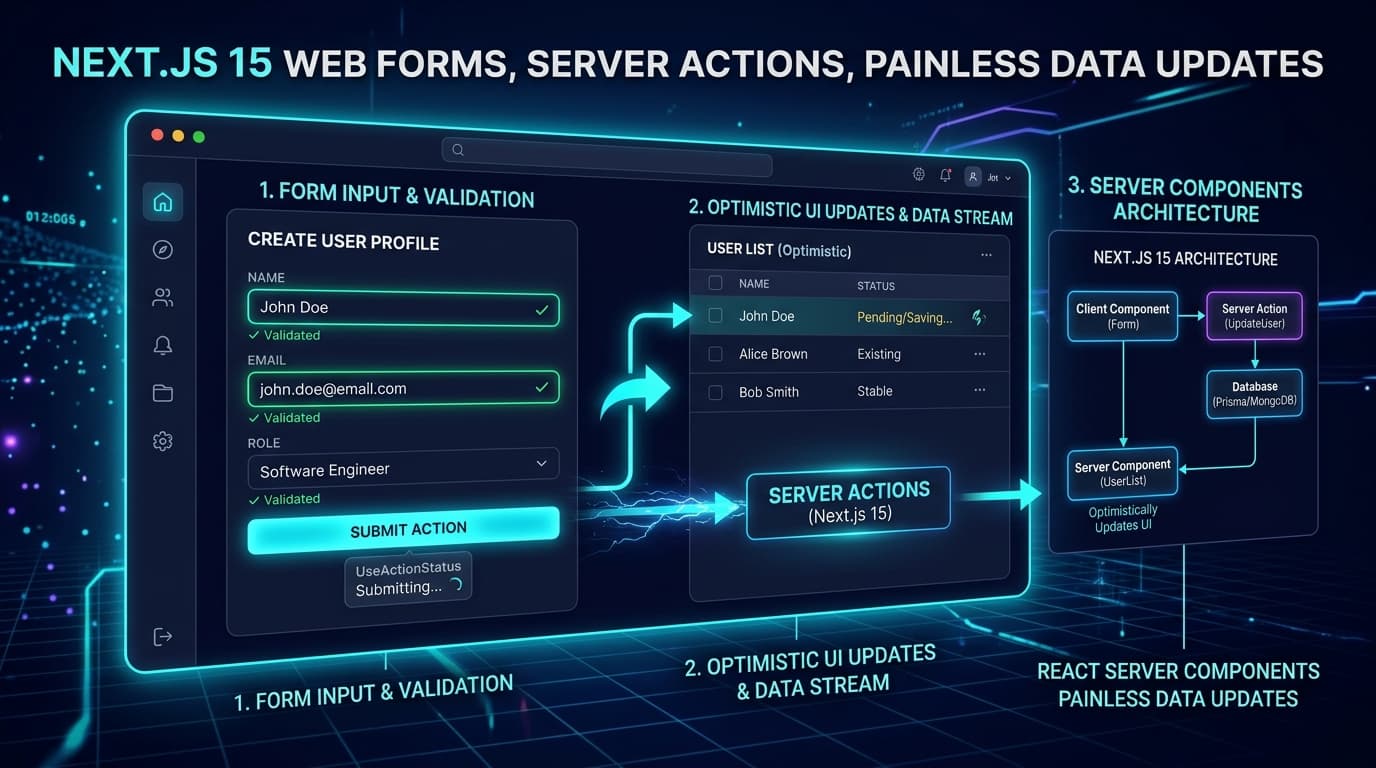
Building Simpler Web Forms: How Next.js 15 Makes Data Updates Quick and Painless
Master modern form handling with Next.js 15 and React 19. Learn how native Server Actions, useActionState, useOptimistic, and Zod schema validation eliminate boilerplate, achieve sub-50ms feedback, and ensure flawless data integrity.
AI System Creation & Cost Optimization
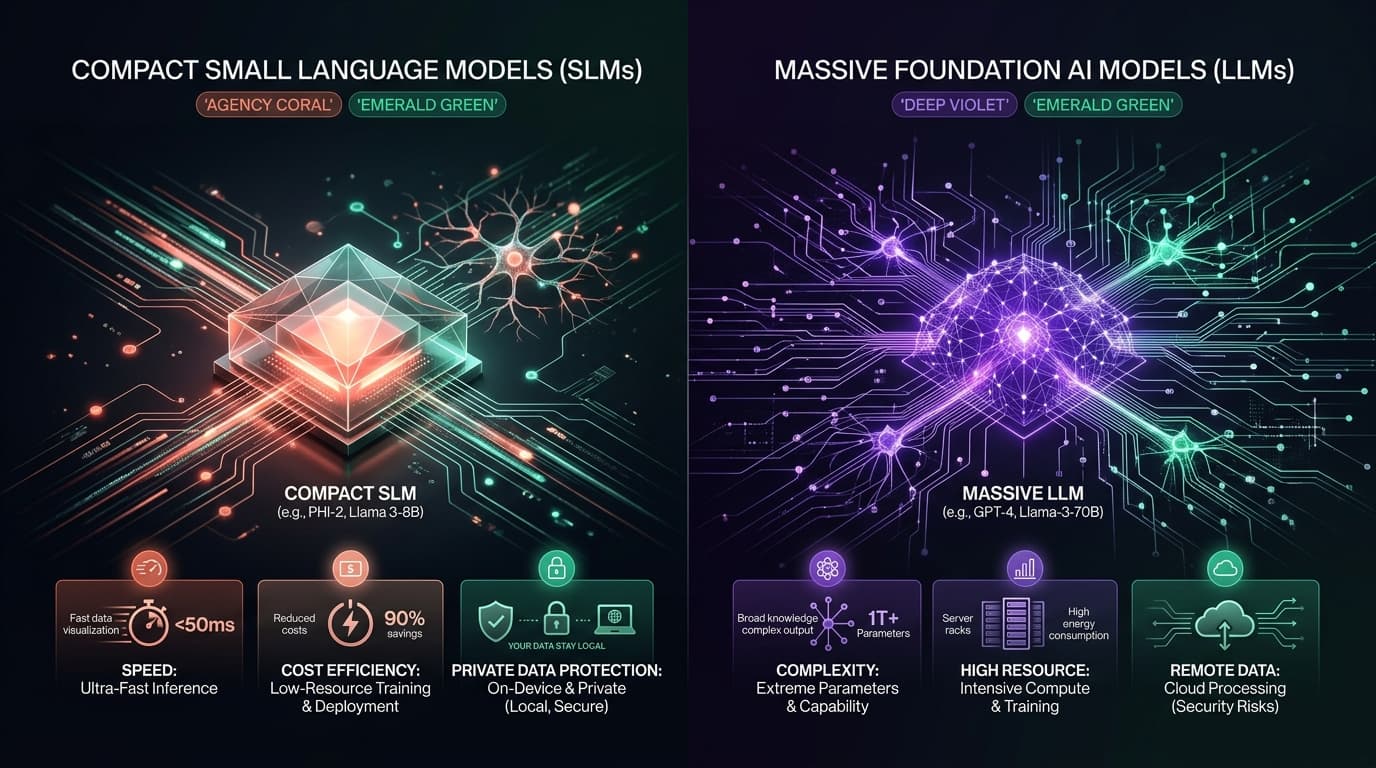
Small AI Models vs Big AI Models: How to Pick the Right Tool, Cut Costs, and Protect Privacy
Master the strategic decision framework between Small Language Models (SLMs) and Frontier Large Language Models (LLMs). Learn how modern engineering teams use intelligent model routing, on-premise local hosting, and targeted LoRA fine-tuning to slash inference costs by 80%, achieve sub-200ms response times, and guarantee 100% data privacy.

Website Development & Search Visibility
Growing Your Organic Traffic: How to Build Helpful, High-Ranking Pages at Scale
Master the modern engineering framework for scaling organic search traffic. Learn how to combine Next.js 15, programmatic SEO, semantic topic authority, and AI search optimization (GEO) to build hundreds of helpful, high-ranking pages that attract qualified buyers.