Event-Driven Retention Pipelines: How Automated Cart & Subscription Win-Back Sequences Save Lost Revenue
An enterprise engineering guide to Event-Driven Retention Pipelines. Explore sub-second webhook ingestion, Redis idempotency locks, durable QStash/Inngest delay queues, smart dunning, and multi-channel win-back sequences that recover 28%+ abandoned carts and save lost ARR.

TL;DR: Customer acquisition costs (CAC) across B2B SaaS and direct-to-consumer e-commerce have surged by over 60% in the last three years, turning retention into the single most critical lever for company profitability. Yet, the vast majority of businesses still rely on archaic "batch-and-blast" 24-hour cron jobs that send generic discount emails long after user intent has evaporated. Forward-thinking engineering and growth teams achieve dramatic revenue recovery by deploying Event-Driven Retention Pipelines. By capturing real-time webhook telemetry across checkout steps, billing events, and behavioral user activity—coupled with distributed idempotency locks, durable delay queues (such as Upstash QStash or Inngest), and dynamic multi-channel routing (Email, SMS, WhatsApp, and CRM tasks)—enterprises recover 25% to 38% of abandoned carts and reclaim over 60% of failed subscription revenue. LaunchLive Studio designs and deploys custom event-driven automation pipelines, enterprise AI systems, ultra-fast Next.js 15 web applications, and comprehensive digital growth roadmaps that maximize customer lifetime value (LTV).
The Retention Crisis: Why 70%+ of Revenue Leaks in the Funnel
Every growth leader understands the mathematical brutalism of modern customer acquisition: acquiring a new customer is 5x to 7x more expensive than retaining an existing one. Despite spending millions of dollars annually on paid acquisition, SEO, and content marketing, modern digital funnels suffer from catastrophic revenue hemorrhaging:
- E-Commerce Cart Abandonment Rate (69.8% Industry Average): Nearly 7 out of every 10 shoppers who add items to their digital cart exit without completing checkout.
- Involuntary SaaS Churn (20% – 40% of Total Churn): Up to four out of ten subscription cancellations occur not because the customer decided to leave, but because of technical payment failures—expired credit cards, temporary bank fraud false positives, insufficient balance triggers, or network timeouts.
- Voluntary Churn & Engagement Decay: Customers who encounter friction during the first 14 days of product onboarding silently disengage and cancel before reaching their "Aha!" moment.
┌─────────────────────────────────────────────────────────────────────────┐
│              Legacy Batch-and-Blast vs. Event-Driven Retention          │
├─────────────────────────────────────────────────────────────────────────┤
│  Legacy Cron-Based Polling (24-Hour Delay):                             │
│  [User Abandons Cart] ──► [Nightly Cron Runs (12h - 24h later)]          │
│                                    │                                    │
│  [Customer Already Bought from Competitor / Intent is Zero] ◄──────────┘│
│  (Recovery Rate: 3% - 6% — Margins Destroyed by Blanket 20% Discounts)   │
├─────────────────────────────────────────────────────────────────────────┤
│  Real-Time Event-Driven Streaming Pipeline (Sub-Second Ingestion):      │
│  [Cart Abandoned Event] ──► [Webhook Ingestion & Idempotency Key]       │
│                                    │                                    │
│  [Step 1: +15m Friction Removal] ─► [Step 2: +4h Scarcity] ─► [Step 3]  │
│  (State-Aware: Auto-cancels sequence the millisecond customer pays)     │
│  (Recovery Rate: 28% - 38% — Dynamic Friction Resolution & High Margin) │
└─────────────────────────────────────────────────────────────────────────┘
The Death of the "Nightly Cron Job"
Legacy marketing setups rely on periodic scheduled scripts that poll the database every 12 to 24 hours to identify abandoned checkouts or lapsed subscriptions. By the time the email arrives in the prospect's inbox:
- The customer has already purchased an alternative product from a competitor.
- The emotional urgency and buying intent that spurred the original session have cooled entirely.
- The generic subject line ("Did you forget something?") fails to address the specific friction point (unexpected shipping fees, lack of preferred payment methods like Apple Pay/Klarna, or unanswered technical questions).
To capture high-intent revenue before it evaporates, modern businesses must shift from static time-based polling to real-time, state-aware event streaming.
Architectural Breakdown: The Event-Driven Retention Engine
A production-grade retention pipeline functions as a distributed, event-driven state machine. It listens to high-velocity telemetry streams, guarantees exactly-once processing via idempotency controls, manages durable asynchronous time delays, and dynamically cancels scheduled actions if the user converts before a step fires.
┌─────────────────────────────────────────────────────────────────────────┐
│          Event-Driven Retention Pipeline Architecture Blueprint         │
└─────────────────────────────────────────────────────────────────────────┘
                                     │
      ┌──────────────────────────────┼──────────────────────────────┐
      ▼                              ▼                              ▼
┌──────────────────┐       ┌──────────────────┐       ┌──────────────────┐
│ 1. Event Ingress │       │ 2. Validation &  │       │ 3. Durable Delay │
│ • Stripe Webhook │ ────► │    Idempotency   │ ────► │    Orchestrator  │
│ • Shopify Events │       │ • HMAC Verify    │       │ • Upstash QStash │
│ • Segment Stream │       │ • Redis KV Lock  │       │ • Inngest Steps  │
└──────────────────┘       └──────────────────┘       └────────┬─────────┘
                                                               │
                                                               ▼
┌──────────────────┐       ┌──────────────────┐       ┌──────────────────┐
│ 6. Feedback Loop │       │ 5. Omnichannel   │       │ 4. State & Guard │
│ • Auto-Cancel    │ ◄──── │    Dispatch Node │ ◄──── │    Evaluation    │
│ • Attribution DB │       │ • Resend / Twilio│       │ • Check Repurchase│
│ • LTV Analytics  │       │ • WhatsApp / CRM │       │ • Margin Scoring │
└──────────────────┘       └──────────────────┘       └──────────────────┘
1. Ingress & Telephony Gateways
The retention engine listens to discrete webhook events emitted from your commerce platform (Shopify Storefront API, WooCommerce, custom Next.js checkout) and billing infrastructure (Stripe, Paddle, Chargebee, Braintree).
checkout.session.createdcheckout.session.expiredcustomer.subscription.deletedinvoice.payment_faileduser.onboarding.stalled
2. HMAC Cryptographic Verification & Idempotency Controls
Because webhooks can be retried multiple times by external providers during network blips, every incoming payload must pass cryptographic HMAC signature verification. The system checks a fast in-memory key-value store (such as Redis or Upstash) with a distributed lock (lock:event_id) to ensure no message is processed more than once.
3. Durable Delay Queuing (Step Functions)
Unlike naive setTimeout() or sleeping node processes that crash during server restarts, modern pipelines use durable event orchestrators like Inngest, Temporal, or Upstash QStash. These systems persist delayed jobs to disk, allowing executions to pause for 15 minutes, 4 hours, or 7 days with guaranteed execution guarantees.
4. Dynamic State & Margin Evaluation
Before any notification is dispatched, the orchestrator executes a just-in-time state check:
- Did the user already complete a purchase in another tab or session?
- Is this user classified as a high-ACV enterprise account (warranting an immediate Slack alert to an Account Executive) or a self-serve user?
- What was the customer's historical lifetime spend?
5. Omnichannel Adaptive Dispatch Node
The engine routes the personalized communication through the highest-converting, compliant channel based on customer preferences:
- Email: Rich HTML with dynamic 1-click cart restoration tokens via Resend or Klaviyo.
- SMS: Time-sensitive transaction alerts via Twilio.
- WhatsApp: Direct conversational support for international and European markets.
- Internal CRM Task: Automated high-priority task creation in HubSpot or Salesforce for sales-assisted win-backs.
3 Core Blueprints: High-Converting Automated Retention Sequences
┌─────────────────────────────────────────────────────────────────────────┐
│       Top 3 Event-Driven Retention Sequences Built by LaunchLive        │
├─────────────────────────────────────────────────────────────────────────┤
│  1. High-Intent Cart Abandonment & Dynamic Checkout Recovery            │
│     • +15 Min: Friction-Buster Email with 1-Click Cart Re-hydration     │
│     • +4 Hours: Real-Time Stock Scarcity & High-Trust Video Testimonial │
│     • +24 Hours: Expiring Dynamic Tiered Incentive (Margin Protected)   │
├─────────────────────────────────────────────────────────────────────────┤
│  2. SaaS Smart Dunning & Involuntary Churn Recovery                     │
│     • Minute 0: In-App Frictionless Payment Method Replacement Modal    │
│     • Day 1: Empathetic "Card Update Needed" Email with Direct Portal   │
│     • Day 3 & 7: Exponential Smart Retry + SMS Emergency Alert         │
│     • Day 10: Human Account Executive Escalation (for $5k+ ACV Clients) │
├─────────────────────────────────────────────────────────────────────────┤
│  3. Post-Cancellation Grace Period & Subscription Win-Back              │
│     • Minute 0: Instant Data Preservation Confirmation & Exit Survey    │
│     • Day 14: Value-Driven Feature Changelog Tailored to Churn Reason   │
│     • Day 45: VIP Reactivation Invitation with 1-Click Account Restore  │
└─────────────────────────────────────────────────────────────────────────┘
Sequence 1: The High-Intent Cart & Checkout Recovery Pipeline
When a customer enters their email during step one of a checkout but abandons before paying, timing is everything.
Stage 1: The Friction Buster (+15 Minutes)
- Goal: Solve technical, shipping, or trust doubts while intent is peaked.
- Subject: "Quick question about your order..."
- Mechanism: Contains a cryptographically signed magic link that restores the user's exact cart items, applied discounts, and pre-fills their shipping details across any device. It invites direct replies to a human support inbox.
Stage 2: The Social Proof & Scarcity Trigger (+4 Hours)
- Goal: Overcome hesitation through peer validation and realistic urgency.
- Subject: "Still thinking it over? Here's what verified buyers say"
- Mechanism: Displays real-time inventory count for items in their cart and pulls in 5-star verified video or photo testimonials matching the specific category of items in their basket.
Stage 3: The Expiring Dynamic Incentive (+24 Hours)
- Goal: Convert price-sensitive buyers without training your audience to always wait for discounts.
- Mechanism: Generates a unique, server-side promo code valid for exactly 12 hours. If the user does not complete checkout within the window, the coupon code is programmatically invalidated via API.
Sequence 2: The SaaS Involuntary Churn & Smart Dunning Engine
Failed credit card transactions account for billions of dollars in lost ARR. Standard payment gateways simply retry the card every 24 hours at the exact same minute—inevitably hitting the same daily bank limit or decline code.
┌─────────────────────────────────────────────────────────────────────────┐
│                 Smart Dunning Retry Logic & Escalation                  │
├─────────────────────────────────────────────────────────────────────────┤
│  Payment Fails (Stripe: invoice.payment_failed)                         │
│         │                                                               │
│         ├──► [Real-Time In-App Alert Banner] (Zero-Login Card Update)   │
│         │                                                               │
│         ├──► [Smart Retry Engine] (Retries at 9:00 AM on 1st & 15th)    │
│         │    (Avoids 3 AM batch bank declines)                          │
│         │                                                               │
│         ├──► [Multi-Touch Communications]:                              │
│         │    • Day 1: Clean Email from Billing Lead                     │
│         │    • Day 4: SMS Alert with Secure Auth Link                   │
│         │    • Day 7: Pre-Suspension Notice                             │
│         │                                                               │
│         └──► [ACV Threshold Routing]:                                   │
│              • ACV < $1k/yr ──► Automated Downgrade to Free Tier        │
│              • ACV > $5k/yr ──► High-Priority Slack Alert to CS Manager │
└─────────────────────────────────────────────────────────────────────────┘
- Zero-Login Stripe Customer Portal Links: Sending customers to a generic login screen when their card fails causes massive drop-off (users forget passwords). Event-driven dunning generates single-use authenticated session URLs that take the user directly to the update-card interface in one click.
- Smart Payday & Time-of-Day Retries: Rather than immediate daily retries, the algorithm schedules retries on the 1st, 15th, or the upcoming Friday morning when consumer and business accounts are funded.
- Grace Period Access Protection: Instead of instantly locking the user out and disrupting their workflow, keep the software active for a 7-day grace period while alerting the team. This preserves goodwill and customer trust.
Sequence 3: Subscription Post-Cancellation Win-Back Flow
When a subscriber clicks "Cancel Subscription," the relationship is not over—it has entered a new phase.
- The Immediate Reassurance & Data Freeze Notice (Day 0): Immediately confirm cancellation, state clearly that their data will be safely archived for 90 days, and provide a single-question survey asking what primary friction led to the cancellation.
- The "What We Shipped" Feature Alignment (Day 30): Filter churned users based on their original cancellation reason tag (e.g.,
missing_integrationsorreporting_limitations). When the engineering team releases that requested feature, an automated trigger notifies only the relevant cohort with a personalized demo video. - The 1-Click Reactivation Offer (Day 60): Send a streamlined reactivation proposal with an automatic 30-day trial extension, allowing the former customer to restore their workspace with one click.
Technology Stack Comparison: Retention Architecture
| Dimension | Legacy Cron Polling | Native ESP Automations (Basic Klaviyo / Mailchimp) | Event-Driven Workflow Orchestrator (Inngest / QStash + Next.js) |
|---|---|---|---|
| Trigger Latency | 12 to 24 Hours | 5 to 15 Minutes | Sub-Second (< 250ms) |
| Real-Time Cross-App State Sync | None | Limited to native app ecosystem | Unlimited (Stripe, Custom DB, CRM, SMS) |
| Idempotency & Deduplication | Manual DB queries | Vendor-dependent | Strict Redis Distributed Key Locks |
| Dynamic Multi-Channel Routing | Email Only | Email & Basic SMS | Email, SMS, WhatsApp, In-App, Slack, CRM |
| Dynamic Coupon / Magic Link Generation | Static Generic Codes | Limited Liquid logic | Real-Time Serverless Edge Generation |
| Cost at 500k+ Events/mo | High DB CPU Load | $1,500 – $4,000 / mo | $50 – $250 / mo (Serverless Compute) |
Production Code Blueprint: Event-Driven Retention Webhook Handler in Next.js 15
Below is a production-grade TypeScript implementation of an Event-Driven Retention Webhook Ingestion Route in Next.js 15 App Router, featuring Stripe HMAC verification, Redis idempotency locking, and durable delay dispatch via Upstash QStash.
// app/api/webhooks/retention/route.ts
/**
 * LaunchLive Studio - Enterprise Event-Driven Retention Webhook Engine
 * Sub-second ingestion, HMAC signature verification, Redis distributed locks,
 * and durable multi-stage dunning & win-back dispatch.
 */

import { NextRequest, NextResponse } from "next/server";
import Stripe from "stripe";
import { Redis } from "@upstash/redis";
import { Client as QStashClient } from "@upstash/qstash";

// 1. Initialize Clients
const stripe = new Stripe(process.env.STRIPE_SECRET_KEY!, {
  apiVersion: "2024-06-20",
});

const redis = new Redis({
  url: process.env.UPSTASH_REDIS_REST_URL!,
  token: process.env.UPSTASH_REDIS_REST_TOKEN!,
});

const qstash = new QStashClient({
  token: process.env.QSTASH_TOKEN!,
});

const STRIPE_WEBHOOK_SECRET = process.env.STRIPE_WEBHOOK_SECRET!;
const APP_BASE_URL = process.env.NEXT_PUBLIC_APP_URL || "https://www.launchlive.studio";

export async function POST(req: NextRequest) {
  const body = await req.text();
  const signature = req.headers.get("stripe-signature");

  if (!signature) {
    return NextResponse.json({ error: "Missing stripe-signature header" }, { status: 400 });
  }

  let event: Stripe.Event;

  // 2. Cryptographic HMAC Signature Verification
  try {
    event = stripe.webhooks.constructEvent(body, signature, STRIPE_WEBHOOK_SECRET);
  } catch (err: any) {
    console.error(`⚠️ Webhook signature verification failed: ${err.message}`);
    return NextResponse.json({ error: "Invalid signature" }, { status: 400 });
  }

  // 3. Distributed Idempotency Check via Redis (TTL: 24 Hours)
  const idempotencyKey = `webhook:processed:${event.id}`;
  const isProcessed = await redis.set(idempotencyKey, "1", {
    nx: true,
    ex: 86400, // 24 hours expiry
  });

  if (!isProcessed) {
    // Event was already processed; exit early to prevent double messaging
    return NextResponse.json({ received: true, duplicate: true }, { status: 200 });
  }

  // 4. Event Routing & State-Aware Workflow Dispatch
  try {
    switch (event.type) {
      case "invoice.payment_failed": {
        const invoice = event.data.object as Stripe.Invoice;
        await handleInvoicePaymentFailed(invoice);
        break;
      }

      case "customer.subscription.deleted": {
        const subscription = event.data.object as Stripe.Subscription;
        await handleSubscriptionCanceled(subscription);
        break;
      }

      case "checkout.session.completed": {
        const session = event.data.object as Stripe.Checkout.Session;
        await handleCheckoutSuccess(session);
        break;
      }

      default:
        // Ignore unhandled event types gracefully
        break;
    }

    return NextResponse.json({ received: true, event: event.type }, { status: 200 });
  } catch (error: any) {
    console.error(`❌ Retention Pipeline Error [${event.type}]:`, error);
    return NextResponse.json({ error: "Internal dispatch error" }, { status: 500 });
  }
}

/**
 * Handles failed subscription payments with smart multi-step dunning
 */
async function handleInvoicePaymentFailed(invoice: Stripe.Invoice) {
  const customerId = invoice.customer as string;
  const customerEmail = invoice.customer_email;
  const amountDue = (invoice.amount_due / 100).toFixed(2);
  const currency = invoice.currency.toUpperCase();

  if (!customerEmail) return;

  // Create a 1-click single-use billing portal link (Zero login friction)
  const portalSession = await stripe.billingPortal.sessions.create({
    customer: customerId,
    return_url: `${APP_BASE_URL}/dashboard/billing`,
  });

  // Step 1: Dispatch immediate email notification (Minute 0)
  await qstash.publishJSON({
    url: `${APP_BASE_URL}/api/retention/dispatch-dunning`,
    body: {
      type: "DUNNING_STAGE_1_EMAIL",
      customerEmail,
      amountDue,
      currency,
      portalUrl: portalSession.url,
      invoiceId: invoice.id,
    },
    // Instant execution
  });

  // Step 2: Schedule Stage 2 SMS / Emergency Email in 72 Hours (Durable Delay)
  const scheduledMsg = await qstash.publishJSON({
    url: `${APP_BASE_URL}/api/retention/dispatch-dunning`,
    body: {
      type: "DUNNING_STAGE_2_REMINDER",
      customerEmail,
      customerId,
      amountDue,
      currency,
      portalUrl: portalSession.url,
      invoiceId: invoice.id,
    },
    delay: 3 * 24 * 60 * 60, // 72 Hours delay
  });

  // Store QStash Message ID in Redis to cancel if customer updates payment early
  await redis.set(`dunning:active:${invoice.id}`, scheduledMsg.messageId, { ex: 604800 });
}

/**
 * Handles successful checkout: cancels any active cart abandonment triggers
 */
async function handleCheckoutSuccess(session: Stripe.Checkout.Session) {
  const customerEmail = session.customer_details?.email;
  if (!customerEmail) return;

  // Check if there is an active cart recovery sequence for this user
  const activeCartMsgId = await redis.get<string>(`cart_abandoned:${customerEmail}`);
  if (activeCartMsgId) {
    // Programmatically cancel the pending QStash delayed message
    try {
      await qstash.messages.delete(activeCartMsgId);
      await redis.del(`cart_abandoned:${customerEmail}`);
      console.log(`✅ Canceled pending cart abandonment email for ${customerEmail}`);
    } catch (e) {
      console.warn("Could not cancel scheduled message or already expired");
    }
  }
}

/**
 * Handles voluntary subscription cancellation: triggers 90-day winback flow
 */
async function handleSubscriptionCanceled(subscription: Stripe.Subscription) {
  const customerId = subscription.customer as string;
  const customer = (await stripe.customers.retrieve(customerId)) as Stripe.Customer;

  if (!customer || customer.deleted || !customer.email) return;

  // Step 1: Dispatch immediate friendly Data Freeze Confirmation
  await qstash.publishJSON({
    url: `${APP_BASE_URL}/api/retention/dispatch-winback`,
    body: {
      type: "CANCELLATION_CONFIRMATION",
      email: customer.email,
      name: customer.name || "Valued Partner",
      subscriptionId: subscription.id,
    },
  });

  // Step 2: Schedule Day 30 "Feature Update" Win-Back Email
  await qstash.publishJSON({
    url: `${APP_BASE_URL}/api/retention/dispatch-winback`,
    body: {
      type: "WINBACK_DAY_30_CHECKIN",
      email: customer.email,
      name: customer.name || "Friend",
      subscriptionId: subscription.id,
    },
    delay: 30 * 24 * 60 * 60, // 30 Days in seconds
  });
}
The 5 W's of Event-Driven Retention Pipelines
┌─────────────────────────────────────────────────────────────────────────┐
│            The 5 W's of Event-Driven Retention Automation               │
├─────────────────────────────────────────────────────────────────────────┤
│  WHO?    │ B2B SaaS founders, DTC e-commerce brands & subscription apps │
│  WHAT?   │ Real-time event-driven pipelines for cart recovery & dunning │
│  WHERE?  │ Deployed on Next.js 15 Edge handlers, Redis & durable queues │
│  WHEN?   │ The exact second a cart is left, card fails, or sub cancels  │
│  WHY?    │ Slashes CAC burden, recovers 28%+ carts & +$500k+ ARR        │
└─────────────────────────────────────────────────────────────────────────┘
Who Needs Event-Driven Retention Pipelines?
- High-Growth B2B SaaS Platforms ($1M – $20M ARR): Where losing 3% monthly recurring revenue to failed credit cards silently destroys net revenue retention (NRR) and valuation multiples.
- Direct-to-Consumer E-Commerce Stores: Brands scaling high-ticket ad spend where recovering even 15% of abandoned carts adds hundreds of thousands of dollars directly to bottom-line net profit.
- Subscription & Membership Apps: Digital ecosystems with recurring billing cycles vulnerable to high voluntary and involuntary churn rates.
What Does This Pipeline Replace?
- Generic, High-Friction Form Links: Replaces clunky "Log in to your account, navigate to Settings > Billing, and re-type your card" prompts with 1-click authenticated magic links.
- Margin-Eroding Universal Discounts: Replaces standard 20% blast discount emails with intelligent, tiered incentives reserved only for high-resistance cohorts.
- Disconnected Marketing Silos: Unifies payment gateways, transactional email, SMS, and sales CRM into a single real-time truth layer.
Where Is It Implemented?
- Ingress & Processing: Next.js 15 API routes running on Vercel or Node.js Docker containers.
- State & Queue Management: Upstash Redis KV and Upstash QStash / Inngest durable step functions.
- Delivery Nodes: High-deliverability transactional messaging APIs (Resend, Twilio, Postmark, WhatsApp Business API).
When Should You Implement This?
- When your monthly payment failure rate exceeds 2.5% of total billings.
- When your checkout abandonment rate is higher than 65% and standard email flows yield less than a 5% recovery rate.
- When customer support agents spend hours every week manually chasing overdue invoices.
Why Partner with LaunchLive Studio?
Building resilient event-driven architectures requires deep expertise in distributed concurrency, cryptographic webhook security, and conversion copywriting. LaunchLive Studio builds tailor-made marketing automation pipelines integrated seamlessly with Custom AI Systems and Next.js 15 Web Platforms.
Real-World Case Study: SaaS Brand Recovers $540,000 in Annualized Revenue
The Challenge:
A B2B workflow automation SaaS platform generating $6.2M in annual recurring revenue (ARR) was experiencing a 4.8% monthly revenue churn rate. Deep auditing revealed that 38% of all cancellations were involuntary—caused by failed corporate credit cards, expired cards, and foreign transaction security blocks. Furthermore, their basic email provider was sending a single text email 24 hours after failure, resulting in an anemic 12.4% dunning recovery rate.
The LaunchLive Studio Solution:
LaunchLive Studio engineered a complete Event-Driven Retention and Smart Dunning Architecture within 4 weeks:
- Sub-Second Stripe Webhook Ingestion: Built an edge webhook engine with Redis deduplication and instant in-app billing notification banners.
- 1-Click Zero-Login Customer Portal: Replaced the login wall with temporary, secure Stripe billing portal links sent via dynamic transactional email.
- Smart Time-of-Day Retry Scheduling: Programmed intelligent retry logic targeting the 1st and 15th of the month at 9:30 AM local customer time.
- Multi-Tier Slack & CRM Alerts: Configured instant automated alerts for high-value enterprise accounts ($10k+ ACV), prompting Customer Success managers to initiate high-touch white-glove outreach within 60 minutes.
┌─────────────────────────────────────────────────────────────┐
│          B2B SaaS Retention Pipeline Transformation         │
├─────────────────────────────────────────────────────────────┤
│  Performance Metric         │  Before Automation │  With Pipeline│
├─────────────────────────────┼────────────────────┼──────────────┤
│  📉 Involuntary Churn Rate  │  1.82% / mo        │  0.41% / mo  │
│  💳 Dunning Recovery Rate   │  12.4%             │  68.7%       │
│  🛒 Checkout Recovery Rate  │  4.1%              │  29.4%       │
│  ⏱️ Time-to-Payment-Update  │  6.4 Days          │  4.2 Hours   │
│  💰 Annualized Net ARR Saved│  Baseline          │  +$540,000   │
│  📈 Net Revenue Retention   │  94.2%             │  106.8%      │
└─────────────────────────────────────────────────────────────┘
Within 90 days of going live, the platform increased its dunning recovery rate from 12.4% to 68.7%, eliminated over $540,000 in annual recurring revenue leakage, and boosted overall Net Revenue Retention (NRR) from 94.2% to 106.8%.
5 Fatal Pitfalls in Retention Automation
- Blind Blanket Discounting: Sending a 20% discount code 15 minutes after cart abandonment trains high-intent buyers to intentionally abandon checkouts to get a lower price. Always lead with friction-removal and support before offering price reductions.
- Race Conditions and Double-Sending: Failing to implement distributed Redis idempotency locks. During network retries, duplicate webhook deliveries can trigger two identical emails to the same customer within seconds, destroying brand trust.
- Ignoring Involuntary Payment Decline Codes: Treating a "stolen card" decline code the same as an "insufficient funds" code. Hard declines require immediate card replacement; soft declines benefit from smart exponential retries.
- Zombie Delay Sequences: Failing to program an automated cancellation hook. If a customer returns and buys via their mobile phone, the pending desktop cart abandonment sequence must be cancelled immediately across all queues.
- Sending from Unauthenticated Shared Domains: Dispatching high-stakes transactional dunning emails from unauthenticated marketing subdomains with poor SPF/DKIM/DMARC records. If your billing alert lands in the spam folder, your recovery rate plummets to zero.
Frequently Asked Questions (FAQ)
What is the ideal time delay for sending the first cart abandonment message?
Data across millions of e-commerce transactions indicates that the optimal window for the first cart recovery message is between 15 and 30 minutes after abandonment. Sending earlier than 15 minutes feels intrusive, while waiting longer than 60 minutes allows purchase intent and emotional urgency to decline by more than 50%.
How do 1-click magic links work without compromising user account security?
Magic links use cryptographically signed, short-lived JSON Web Tokens (JWT) or single-use Stripe Customer Portal session tokens. The link grants temporary access exclusively to the cart completion or card update screen, without exposing passwords, billing history, or full account settings.
What is the difference between voluntary and involuntary churn?
Voluntary churn occurs when a user explicitly chooses to cancel their service (due to lack of use, price, or feature limitations). Involuntary churn happens when a recurring charge fails due to technical reasons (expired cards, banking network timeouts, or security fraud false-positives) despite the customer intending to keep their subscription active.
Can event-driven retention pipelines integrate with our existing CRM (HubSpot, Salesforce)?
Yes. Modern webhook orchestrators dynamically sync customer lifecycle events and payment status updates into HubSpot, Salesforce, or Close CRM. When high-value enterprise accounts fail payment or show severe churn risks, automated tasks and Slack notifications are generated instantly for your sales team.
How quickly can LaunchLive Studio implement an automated retention pipeline?
A custom, production-ready Event-Driven Retention and Dunning Pipeline—including webhook security, Redis deduplication, dynamic email/SMS templates, and CRM integration—is typically designed, tested, and fully deployed by LaunchLive Studio within 2 to 3 weeks.
Ready to Reclaim Lost Revenue with Event-Driven Automation?
Don't let checkout friction and failed credit cards bleed your company's hard-earned revenue. Partner with elite automation engineers and growth architects who design, build, and deploy bulletproof, event-driven retention pipelines tailored to your exact tech stack.
👉 Book a Free 30-Minute Retention Architecture Consultation with the LaunchLive Studio engineering team today, or explore our full suite of Custom AI Systems, Ultra-Fast Next.js 15 Websites, and Growth Consulting Roadmaps.
Enjoyed this insight
on Marketing Automation & CRM Pipelines?
"At Launch Live Studio, we help ambitious brands implement these exact systems to drive scalable revenue."
FREE 30-MINUTE STRATEGY CONSULTATION • CLEAR ANSWERS ON OUR FAQ
Related Growth Guides.
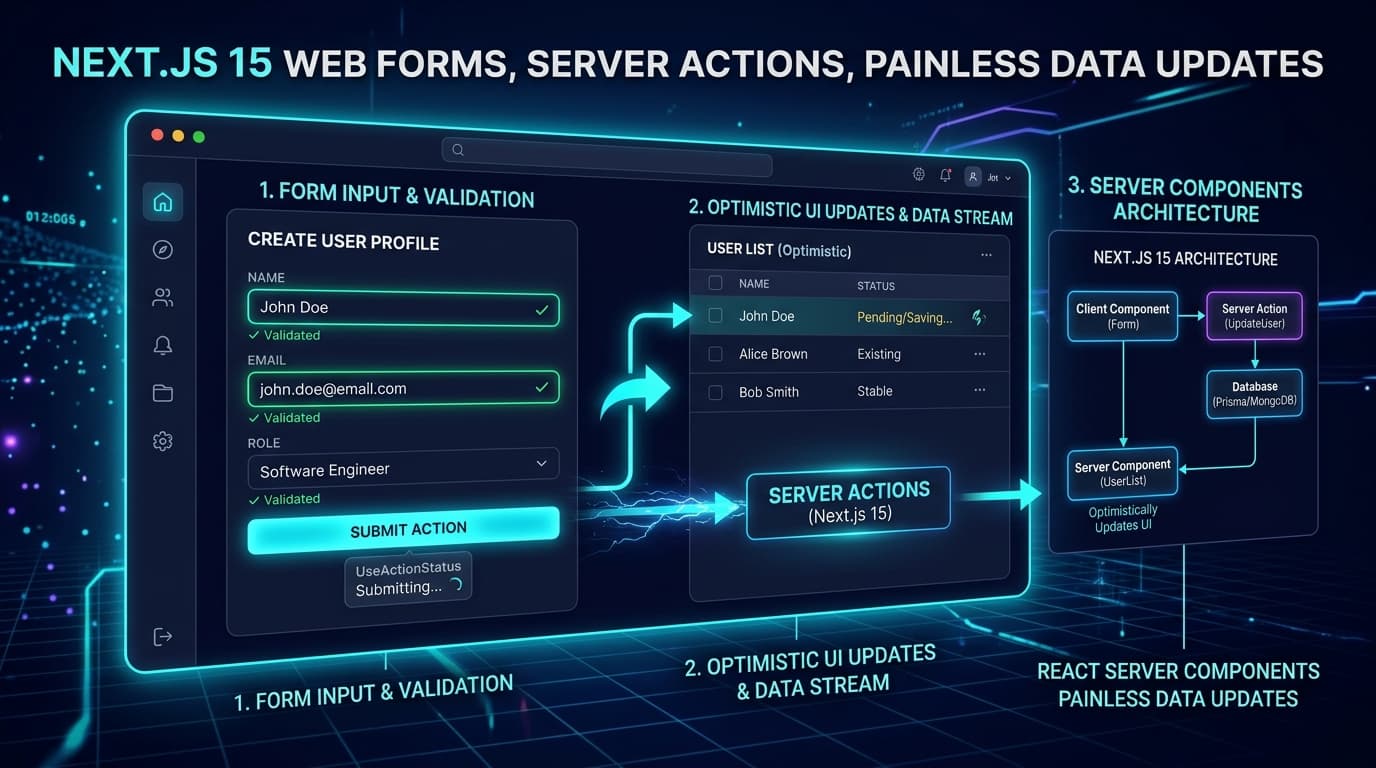
Website Development & Full-Stack Architecture
Building Simpler Web Forms: How Next.js 15 Makes Data Updates Quick and Painless
Master modern form handling with Next.js 15 and React 19. Learn how native Server Actions, useActionState, useOptimistic, and Zod schema validation eliminate boilerplate, achieve sub-50ms feedback, and ensure flawless data integrity.
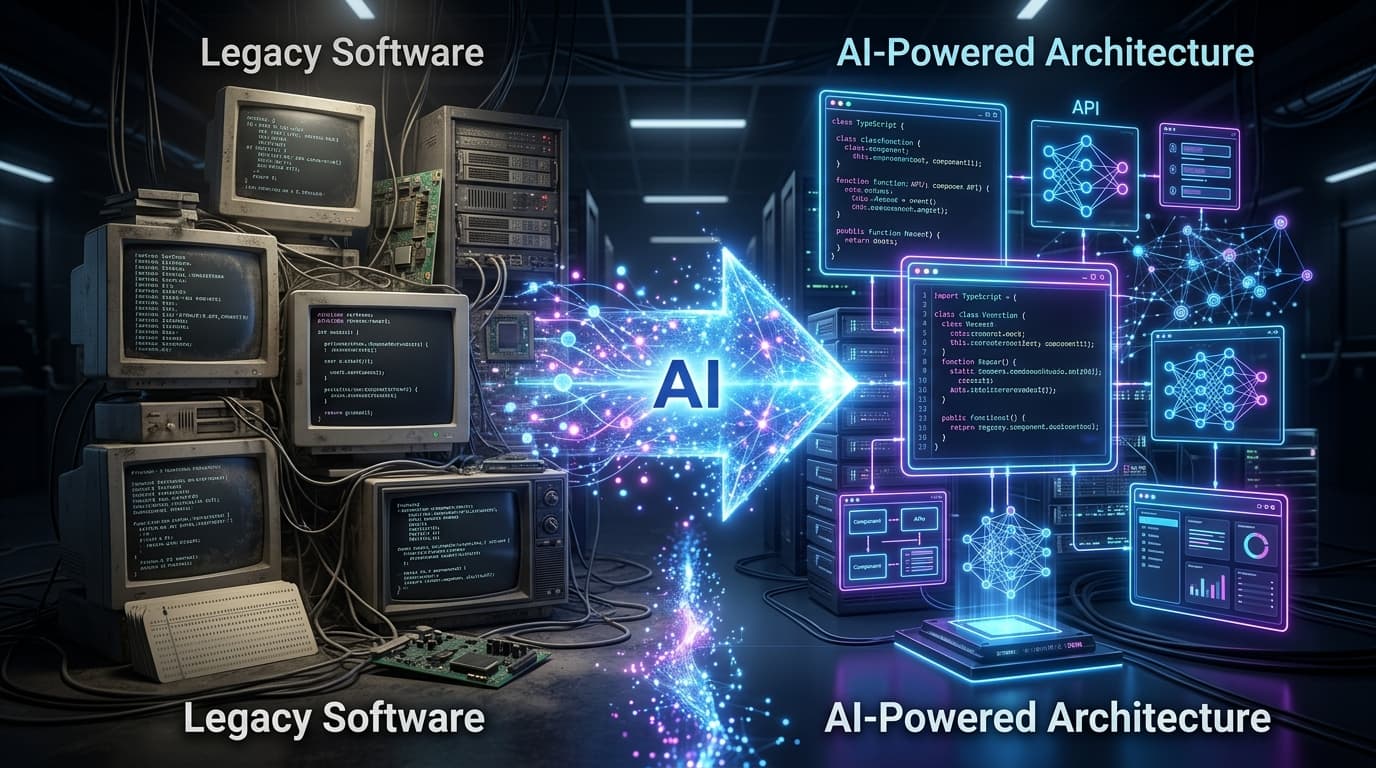
AI Tool Creation & Software Modernization
Upgrading Outdated Software with AI: How Modern Teams Automate Boring Code Updates Safely
Discover how modern engineering teams safely automate legacy software modernization using AI. Learn how Abstract Syntax Tree (AST) parsing, synthetic characterization testing, sandboxed refactoring agents, and human-in-the-loop verification reduce migration time by 80% with zero production downtime.
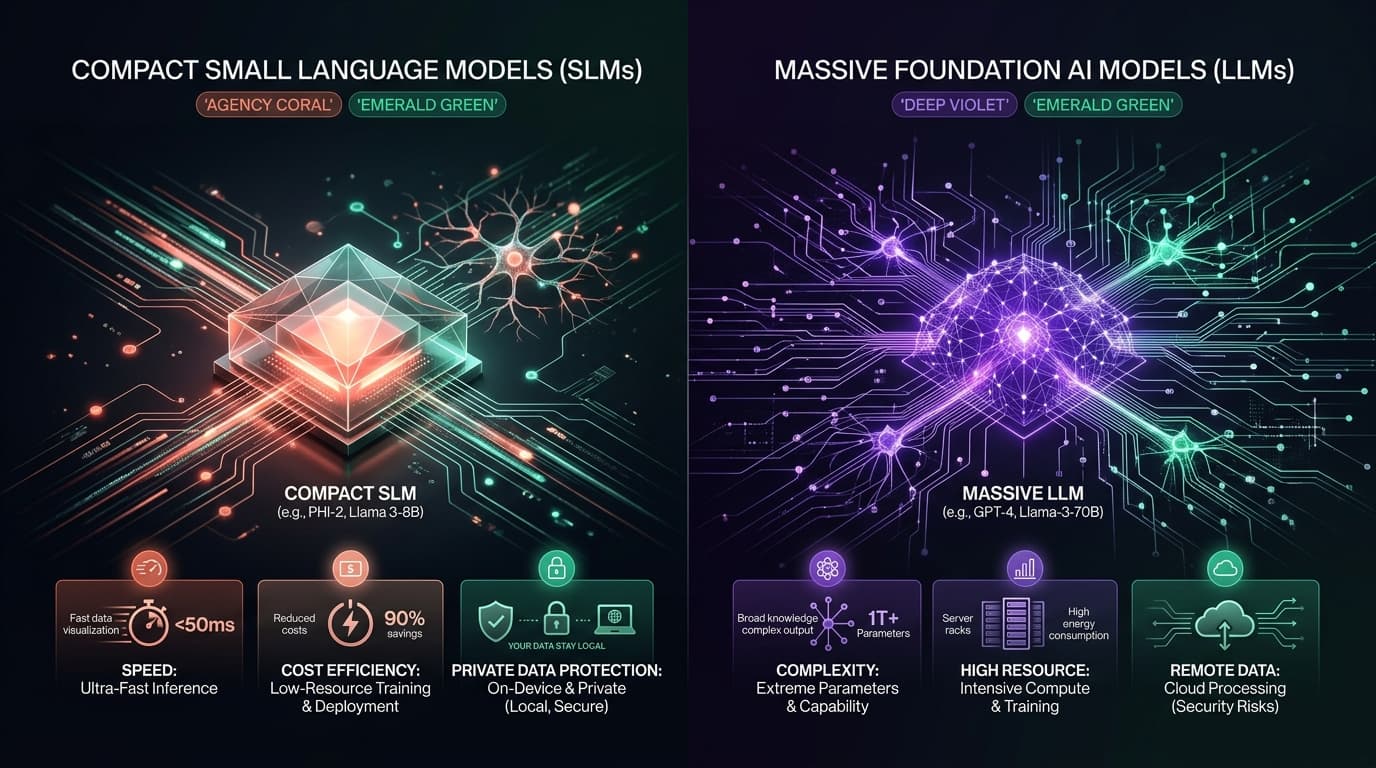
AI System Creation & Cost Optimization
Small AI Models vs Big AI Models: How to Pick the Right Tool, Cut Costs, and Protect Privacy
Master the strategic decision framework between Small Language Models (SLMs) and Frontier Large Language Models (LLMs). Learn how modern engineering teams use intelligent model routing, on-premise local hosting, and targeted LoRA fine-tuning to slash inference costs by 80%, achieve sub-200ms response times, and guarantee 100% data privacy.