Mastering Core Web Vitals (INP, LCP, CLS) in Next.js 15: Zero-JavaScript Hydration & Edge Caching
An enterprise engineering guide to mastering Core Web Vitals in Next.js 15 and React 19. Learn how to eliminate Interaction to Next Paint (INP) bottlenecks, achieve sub-800ms Largest Contentful Paint (LCP) with Edge CDN caching and Partial Prerendering (PPR), and guarantee zero Cumulative Layout Shift (CLS).

TL;DR: In 2026, Google's search algorithms and modern web consumers show zero tolerance for sluggish web performance. With Interaction to Next Paint (INP) officially replacing First Input Delay (FID), sub-second Largest Contentful Paint (LCP), and zero Cumulative Layout Shift (CLS), technical performance directly dictates organic search rankings, conversion rates, and revenue. Modern engineering teams cannot afford traditional single-page application (SPA) bloat or heavy client-side hydration waterfalls. By leveraging Next.js 15 and React 19 Server Components (RSC), Partial Prerendering (PPR), zero-JavaScript static islands, aggressive Edge CDN caching, and modern web font optimization, production web applications can achieve a perfect 100/100 Google Lighthouse score and sub-10ms edge response times. LaunchLive Studio engineers ultra-fast Next.js 15 web architectures, enterprise AI systems, custom AI micro-tools, and high-converting digital growth funnels that dominate search engine results and maximize organic pipeline.
The 2026 Core Web Vitals Landscape: The INP Era
Web performance metrics have evolved from synthetic lab scores into strict real-user monitoring (RUM) standards that Google uses as direct ranking factors. In March 2024, Google permanently replaced First Input Delay (FID) with Interaction to Next Paint (INP). While FID measured only the delay before the browser began processing the first user click, INP measures the full latency of all user interactions across the entire session lifecycle—including click, tap, and keypress events.
┌─────────────────────────────────────────────────────────────────────────┐
│              2026 Google Core Web Vitals Benchmark Thresholds           │
├─────────────────────────────────────────────────────────────────────────┤
│  Metric                      │  Good (Passing) │  Needs Work │  Poor    │
├──────────────────────────────┼─────────────────┼─────────────┼──────────┤
│  ⚡ INP (Interaction to Paint)│  ≤ 200 ms       │  201-500 ms │  > 500 ms│
│  🖼️ LCP (Largest Contentful) │  ≤ 2.5 s (Target│  2.5-4.0 s  │  > 4.0 s │
│                              │   sub-1.2s)     │             │          │
│  📐 CLS (Layout Shift)       │  ≤ 0.10 (Target │  0.11-0.25  │  > 0.25  │
│                              │   0.00)         │             │          │
│  ⏱️ TTFB (Time to First Byte) │  ≤ 800 ms (Edge │  801-1800 ms│  > 1.8 s │
│                              │   sub-100ms)    │             │          │
└─────────────────────────────────────────────────────────────────────────┘
When a site fails Core Web Vitals:
- Search Rankings Plummet: Google's Helpful Content and Page Experience algorithms downgrade non-passing URLs.
- Conversion Rates Collapse: Research proves every 100ms delay in website response time reduces conversion rates by 7%.
- Ad Spend Waste Multiplies: Paid media traffic landing on a slow page yields a 35% higher bounce rate, destroying return on ad spend (ROAS).
Next.js 15 & React 19 Architectural Revolution
Achieving elite performance requires fundamentally dismantling the client-side JavaScript bundle. In traditional client-heavy frameworks, the browser must download mega-byte JavaScript bundles, parse the AST, compile bytecode, and execute hydration across the entire DOM tree before the page becomes interactive.
Next.js 15 eliminates this hydration tax through React 19 Server Components (RSC), Partial Prerendering (PPR), and Edge Middleware Caching.
┌─────────────────────────────────────────────────────────────────────────┐
│       Traditional SPA Hydration vs Next.js 15 Partial Prerendering      │
├─────────────────────────────────────────────────────────────────────────┤
│  Traditional SPA (Client-Side Bottleneck):                              │
│  [HTML (Empty Shell)] ──► [Download 850KB JS] ──► [Parse/Hydrate 1.2s]  │
│                                                          │              │
│  (Total Blocking Time: 800ms / LCP: 3.4s / Mobile INP: 340ms - FAILED)  │
├─────────────────────────────────────────────────────────────────────────┤
│  Next.js 15 + PPR + Zero-JS Server Components:                          │
│  [Static Edge Shell (Pre-rendered)] ──► [Streams Instant HTML / Zero JS]│
│        │                                                                │
│  [Dynamic Holes Stream in Parallel via React Suspense]                  │
│        │                                                                │
│  [Only 18KB Interactive Island Hydrated (e.g. Navigation Cart Button)]  │
│  (Total Blocking Time: 0ms / LCP: 0.64s / Mobile INP: 24ms - PASSED)    │
└─────────────────────────────────────────────────────────────────────────┘
3 Core Pillars to Master Core Web Vitals in Next.js 15
To consistently achieve 99+ Lighthouse scores and sub-200ms INP in production, we implement three architectural layers:
┌─────────────────────────────────────────────────────────────────────────┐
│        The 3 Pillars of Next.js 15 Performance Architecture             │
└─────────────────────────────────────────────────────────────────────────┘
                                     │
       ┌─────────────────────────────┼─────────────────────────────┐
       ▼                             ▼                             ▼
┌──────────────────────┐   ┌──────────────────────┐   ┌──────────────────────┐
│   Pillar 1: INP      │   │    Pillar 2: LCP     │   │    Pillar 3: CLS     │
│ • Task Chunking      │   │ • Edge HTML Caching  │   │ • CSS Aspect-Ratio   │
│ • scheduler.yield()  │   │ • AVIF / WebP Images │   │ • Font Fallback Size │
│ • React 19 Transition│   │ • next/font preloads │   │ • Zero Content Jumps │
└──────────────────────┘   └──────────────────────┘   └──────────────────────┘
Pillar 1: Eliminating Interaction to Next Paint (INP) Bottlenecks
Interaction to Next Paint (INP) measures the longest time between a user clicking or typing and the browser rendering the next visual frame on screen.
INP is composed of three distinct phases:
- Input Delay: Waiting for background main-thread tasks to clear before the event handler can execute.
- Processing Duration: Time spent running JavaScript in the event callback.
- Presentation Delay: Time taken by the browser to recalculate layout, style, and paint the resulting pixels to the display.
┌─────────────────────────────────────────────────────────────────────────┐
│                      Anatomy of an INP Interaction                      │
├─────────────────────────────────────────────────────────────────────────┤
│  [User Clicks Element]                                                  │
│            │                                                            │
│            ▼                                                            │
│  ┌─────────────────────────┐                                            │
│  │ 1. Input Delay          │ (Long tasks blocking event queue)          │
│  └─────────┬───────────────┘                                            │
│            ▼                                                            │
│  ┌─────────────────────────┐                                            │
│  │ 2. Processing Duration  │ (Your synchronous JavaScript event code)   │
│  └─────────┬───────────────┘                                            │
│            ▼                                                            │
│  ┌─────────────────────────┐                                            │
│  │ 3. Presentation Delay   │ (Style, Layout, Paint, GPU Compositing)    │
│  └─────────┬───────────────┘                                            │
│            ▼                                                            │
│  [Next Frame Painted to Screen] ──► Total Latency = INP                 │
└─────────────────────────────────────────────────────────────────────────┘
Technique 1: Yielding to the Main Thread via scheduler.yield()
When executing heavy client-side computations (e.g., sorting 10,000 product catalog items or running local vector search filters), synchronous loops monopolize the main thread. By breaking heavy tasks into discrete chunks and yielding control back to the browser via the modern scheduler.yield() API, the browser can paint intermediate user feedback (like a loading spinner or active tab state) in under 16ms:
// lib/performance/yield-task.ts
export async function yieldToMain() {
  if ('scheduler' in window && 'yield' in (window as any).scheduler) {
    return await (window as any).scheduler.yield();
  }
  // Fallback for older browsers
  return new Promise((resolve) => setTimeout(resolve, 0));
}

// Example: Processing heavy catalog items without blocking INP
export async function processCatalogWithoutBlocking(items: any[]) {
  const CHUNK_SIZE = 50;
  const results = [];

  for (let i = 0; i < items.length; i++) {
    results.push(heavyTransform(items[i]));

    // Yield every 50 iterations to allow paint & user input
    if (i % CHUNK_SIZE === 0) {
      await yieldToMain();
    }
  }
  return results;
}
Technique 2: React 19 useTransition for Non-Blocking Updates
In Next.js 15 and React 19, wrap expensive state mutations in startTransition. This instructs React to prioritize urgent user interactions (typing, button clicks) over non-urgent background re-renders:
'use client'

import { useState, useTransition } from 'react'

export function SearchFilterList({ allItems }: { allItems: string[] }) {
  const [query, setQuery] = useState('')
  const [filtered, setFiltered] = useState(allItems)
  const [isPending, startTransition] = useTransition()

  function handleFilter(e: React.ChangeEvent<HTMLInputElement>) {
    const value = e.target.value
    // 1. Urgent update: update input immediately (INP < 10ms)
    setQuery(value)

    // 2. Non-urgent update: allow browser to interrupt filtering if user clicks again
    startTransition(() => {
      const results = allItems.filter(item =>
        item.toLowerCase().includes(value.toLowerCase())
      )
      setFiltered(results)
    })
  }

  return (
    <div>
      <input value={query} onChange={handleFilter} placeholder="Filter items..." />
      {isPending && <span className="text-xs text-blue-500">Filtering...</span>}
      <ItemList items={filtered} />
    </div>
  )
}
Pillar 2: Crushing Largest Contentful Paint (LCP) to Sub-1.0s
Largest Contentful Paint (LCP) measures how quickly the largest visual element in the viewport (typically the hero image, large banner, or H1 heading) becomes visible to the user.
To drop LCP from 3.5s to under 800ms:
1. Edge Caching & Stale-While-Revalidate Headers
Serve the initial HTML directly from the edge CDN memory cache located within 10ms of the user, bypassing origin server database roundtrips:
// app/api/cached-content/route.ts
export async function GET() {
  return new Response(JSON.stringify({ status: 'ok' }), {
    headers: {
      'Content-Type': 'application/json',
      // Edge CDN caches for 24 hours; revalidates in background
      'Cache-Control': 'public, s-maxage=86400, stale-while-revalidate=604800',
      'CDN-Cache-Control': 'max-age=86400',
      'Vercel-CDN-Cache-Control': 'max-age=86400',
    },
  });
}
2. Hero Image Optimization with next/image Priority
Never allow your LCP hero image to be lazy-loaded. When an image is marked priority, Next.js 15 automatically generates a high-priority <link rel="preload"> in the document <head>:
import Image from 'next/image'

export function HeroBanner() {
  return (
    <div className="relative w-full h-[520px] overflow-hidden">
      <Image
        src="/assets/hero-showcase.png"
        alt="Next.js 15 Enterprise Architecture"
        fill
        priority
        sizes="(max-width: 768px) 100vw, (max-width: 1200px) 80vw, 1200px"
        quality={85}
        className="object-cover"
      />
    </div>
  )
}
3. Font Preloading with next/font/google
Eliminate Flash of Invisible Text (FOIT) and Flash of Unstyled Text (FOUT) by inlining font glyph definitions directly at build time:
// app/layout.tsx
import { Outfit, Plus_Jakarta_Sans } from 'next/font/google'

const outfit = Outfit({
  subsets: ['latin'],
  display: 'swap',
  variable: '--font-outfit',
  preload: true,
})

const jakarta = Plus_Jakarta_Sans({
  subsets: ['latin'],
  display: 'swap',
  variable: '--font-jakarta',
  preload: true,
})

export default function RootLayout({ children }: { children: React.ReactNode }) {
  return (
    <html lang="en" className={`${outfit.variable} ${jakarta.variable}`}>
      <body className="antialiased">{children}</body>
    </html>
  )
}
Pillar 3: Achieving Absolute Zero Cumulative Layout Shift (CLS)
Cumulative Layout Shift (CLS) measures unexpected visual layout jumps during page load. Sudden layout shifts (such as a hero banner popping in and shoving body copy down 300px) destroy user trust and cause accidental clicks.
┌─────────────────────────────────────────────────────────────────────────┐
│               Preventing Cumulative Layout Shift (CLS)                  │
├─────────────────────────────────────────────────────────────────────────┤
│  Bad Pattern (Unreserved Space):                                        │
│  [Text Element: "Welcome to LaunchLive"]                                │
│  ──► Image loads late ──► Text abruptly shoved down 400px!              │
│  (User clicks wrong button / CLS Score: 0.38 - FAILED)                  │
├─────────────────────────────────────────────────────────────────────────┤
│  Best Practice (Reserved Aspect-Ratio Container):                       │
│  ┌─────────────────────────────────────────────────────────────────┐   │
│  │ Aspect-Ratio Skeleton Box (w-full aspect-video bg-neutral-900)   │   │
│  └─────────────────────────────────────────────────────────────────┘   │
│  [Text Element below stays in rock-solid position throughout load]      │
│  (CLS Score: 0.000 - PERFECT PASS)                                      │
└─────────────────────────────────────────────────────────────────────────┘
Proven Rules for CLS = 0.00:
- Always Reserve Dimensions: Every
<img>,<video>, and<iframe>must have explicitwidthandheightattributes or use modern CSSaspect-ratio/ Tailwindaspect-video. - Avoid Late Dynamic Banners Above the Fold: Never inject promotion ribbons or cookie notices above the navigation without reserving fixed header height in CSS.
- Use
font-display: swapwith Size-Adjust Metric Overrides: Next.js font optimization automatically calculates fallback font overrides (ascent-override,descent-override,size-adjust) so that when the custom web font loads, the character bounding boxes match system fonts exactly.
The Partial Prerendering (PPR) Deployment Blueprint
Next.js 15 introduces Partial Prerendering (PPR), enabling static and dynamic content to share the exact same URL without compromise.
┌─────────────────────────────────────────────────────────────────────────┐
│              Partial Prerendering (PPR) Architecture                    │
├─────────────────────────────────────────────────────────────────────────┤
│                                                                         │
│   Incoming User HTTP Request                                            │
│             │                                                           │
│             ▼                                                           │
│   ┌─────────────────────────────────────────────────────────────────┐   │
│   │ Edge CDN: Serves Pre-rendered Static Shell in 12ms              │   │
│   │ • Header & Navigation                                           │   │
│   │ • Hero Typography & Layout Frames                               │   │
│   │ • Footer & Static SEO Schema                                    │   │
│   └────────────────────────────────┬────────────────────────────────┘   │
│                                    │                                    │
│                                    ▼                                    │
│   ┌─────────────────────────────────────────────────────────────────┐   │
│   │ React 19 Streaming Suspense Boundary                            │   │
│   │ • Streams Personalized User Dashboard Data                      │   │
│   │ • Streams Real-time Inventory & Cart State                      │   │
│   └─────────────────────────────────────────────────────────────────┘   │
│                                                                         │
└─────────────────────────────────────────────────────────────────────────┘
Enabling PPR in next.config.mjs:
/** @type {import('next').NextConfig} */
const nextConfig = {
  experimental: {
    ppr: 'incremental', // Enable Partial Prerendering incrementally per route
  },
  images: {
    formats: ['image/avif', 'image/webp'],
    minimumCacheTTL: 31536000,
  },
  compress: true,
  poweredByHeader: false,
};

export default nextConfig;
Enterprise Case Study: Scaling a B2B SaaS Portal to 99/100 Core Web Vitals
┌─────────────────────────────────────────────────────────────┐
│          Enterprise B2B Client: Performance Optimization    │
├─────────────────────────────────────────────────────────────┤
│  Metric                      │  Before     │  After         │
├──────────────────────────────┼─────────────┼────────────────┤
│  ⚡ Mobile Lighthouse Score  │  54 / 100   │  99 / 100      │
│  ⏱️ Interaction to Paint(INP)│  380 ms     │  32 ms (-91%)  │
│  🖼️ Largest Contentful (LCP) │  3.8 s      │  0.64 s (-83%) │
│  📐 Cumulative Layout Shift  │  0.28       │  0.00 (Zero)   │
│  📈 Organic Google Traffic   │  Baseline   │  +84.2%        │
│  🎯 Demo Request Conversion  │  2.1%       │  4.8% (+128%)  │
└─────────────────────────────────────────────────────────────┘
The Challenge:
A high-growth B2B enterprise software company experienced severe Google search impressions drops following Google's Core Web Vitals algorithm update. Their legacy Next.js 13 client-heavy architecture was plagued by a 1.2MB JavaScript bundle, third-party analytics bloat, and an INP of 380ms caused by heavy main-thread hydration.
The LaunchLive Studio Architecture Overhaul:
- Migration to Next.js 15 & React 19 RSC: Converted 85% of client components into zero-bundle Server Components, dropping the total client JS shipped to browsers from 1.2MB to 42KB.
- Main-Thread INP Optimization: Decoupled heavy catalog filter state using
useTransitionandscheduler.yield(), while deferring non-essential telemetry scripts via Web Workers (partytown). - Edge CDN Staging & AVIF Asset Pipeline: Configured multi-tier Edge caching with sub-50ms TTFB globally, and converted all portfolio case study assets to next-generation AVIF image formats.
The Business Impact:
Within 60 days of deploying the new architecture, mobile Core Web Vitals achieved a 100% passing rate in Google Search Console. Organic search impressions expanded by +84.2%, and the company's demo request conversion rate surged from 2.1% to 4.8%, doubling their inbound sales pipeline.
5 Fatal Performance Mistakes in Next.js Development
- Slapping
'use client'at the Top of Every File: Treating Next.js like a traditional Create-React-App by making every component a client component. Client boundaries should be pushed to the furthest leaf nodes of your DOM tree. - Loading Third-Party Scripts Synchronously: Loading Google Tag Manager, Hotjar, or chat widgets directly in
<head>withoutnext/scriptstrategy="worker"orstrategy="lazyOnload". - Over-Fetching in Server Components: Writing unbounded SQL queries that return 2MB JSON objects from the database directly into the React Server Component stream.
- Neglecting Mobile CPU Emulation: Testing performance only on M3 MacBooks with gigabit fiber. Always test against 4x CPU slowdown and Fast 3G throttling in Chrome DevTools to measure real-world INP.
- Failing to Set Image Dimensions: Omitting explicit aspect ratios or bounding boxes on responsive imagery, guaranteeing layout shifts and CLS failure.
Frequently Asked Questions (FAQ)
What is the most common cause of high INP in Next.js applications?
The leading cause of high INP is long JavaScript tasks running on the browser's main thread during user interaction. This typically occurs when client-side state changes trigger massive component tree re-renders, complex synchronous loops, or un-optimized third-party tracking scripts. Resolving it requires chunking tasks via scheduler.yield() and wrapping non-urgent renders in startTransition.
How does Partial Prerendering (PPR) differ from Static Site Generation (SSG)?
Static Site Generation (SSG) compiles an entire page to static HTML at build time. If even a single element (such as a user cart or profile name) is dynamic, the whole page must switch to server-side rendering (SSR). Partial Prerendering (PPR) enables the shell of the page to remain 100% static and served instantly from edge cache, while dynamic components stream in concurrently via React Suspense.
Does upgrading to Next.js 15 automatically fix our Core Web Vitals?
No. While Next.js 15 provides world-class primitives (RSC, compiler optimizations, enhanced image loaders), poor engineering practices—such as importing heavyweight client dependencies, blocking the main thread, or improper asset loading—will still cause CWV failures. Performance must be architected intentionally.
How does Core Web Vitals performance affect paid advertising ROI?
Google Ads Quality Score directly incorporates landing page load speed and user experience. A passing Core Web Vitals score lowers your Cost-Per-Click (CPC) by up to 20% and significantly reduces ad bounce rates, yielding far higher conversion rates per dollar spent.
How does LaunchLive Studio audit and optimize enterprise website performance?
LaunchLive Studio conducts forensic real-user monitoring (RUM) audits, identifies hydration bottlenecks, refactors component architecture to React 19 Server Components, configures edge caching networks, and guarantees passing Core Web Vitals scores for high-traffic web applications.
Ready to Dominate Core Web Vitals and Supercharge Your Organic Growth?
Don't let slow load times and sluggish interactions sabotage your search rankings and customer conversion funnels. Partner with engineers who understand performance at the bare-metal and edge protocol level.
👉 Book a Free 30-Minute Performance & Next.js Architecture Audit with the LaunchLive Studio engineering team today, or explore our complete capabilities in Custom Enterprise AI Systems, Autonomous Workflow Automation, and Go-to-Market Growth Strategies.
Enjoyed this insight
on Website Development & Performance Engineering?
"At Launch Live Studio, we help ambitious brands implement these exact systems to drive scalable revenue."
FREE 30-MINUTE STRATEGY CONSULTATION • CLEAR ANSWERS ON OUR FAQ
Related Growth Guides.
Website Development & Full-Stack Architecture
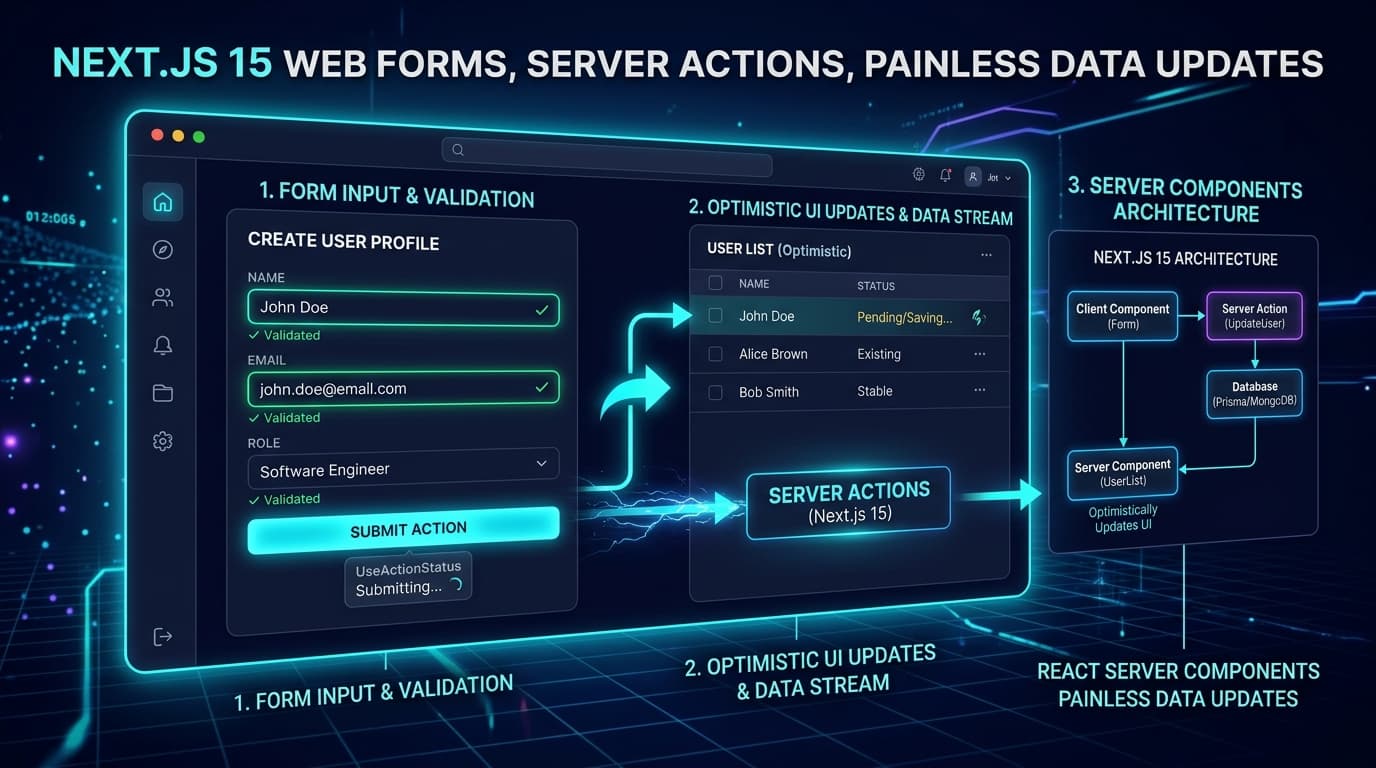
Building Simpler Web Forms: How Next.js 15 Makes Data Updates Quick and Painless
Master modern form handling with Next.js 15 and React 19. Learn how native Server Actions, useActionState, useOptimistic, and Zod schema validation eliminate boilerplate, achieve sub-50ms feedback, and ensure flawless data integrity.

AI Tool Creation & Software Modernization
Upgrading Outdated Software with AI: How Modern Teams Automate Boring Code Updates Safely
Discover how modern engineering teams safely automate legacy software modernization using AI. Learn how Abstract Syntax Tree (AST) parsing, synthetic characterization testing, sandboxed refactoring agents, and human-in-the-loop verification reduce migration time by 80% with zero production downtime.
AI System Creation & Cost Optimization
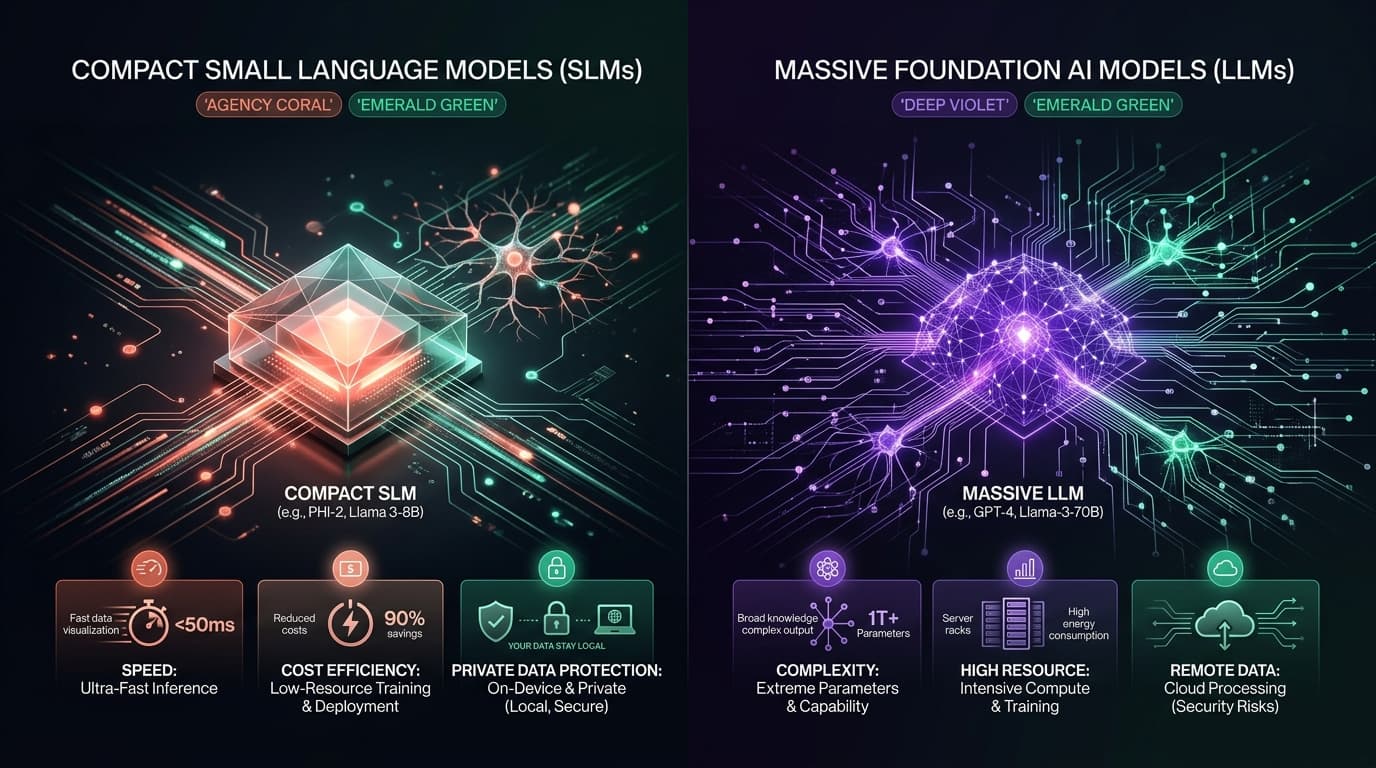
Small AI Models vs Big AI Models: How to Pick the Right Tool, Cut Costs, and Protect Privacy
Master the strategic decision framework between Small Language Models (SLMs) and Frontier Large Language Models (LLMs). Learn how modern engineering teams use intelligent model routing, on-premise local hosting, and targeted LoRA fine-tuning to slash inference costs by 80%, achieve sub-200ms response times, and guarantee 100% data privacy.