Smart Email Automation: How Timing Messages to User Actions Can Double Your Replies
Discover how event-driven behavioral email automation doubles reply rates and skyrockets customer retention. Learn how to trigger conversational, helpful messages based on real product actions instead of generic calendar drips.

TL;DR: Sending generic, calendar-based drip emails—like blasting "Tip #3" to all new signups on Day 4 regardless of what they did—is why most B2B email sequences suffer miserable 12% open rates and sub-1% replies. When users receive messages disconnected from their real actions, they tune out. The solution is event-driven behavioral email automation. By connecting product signals (like completing onboarding step 1, stalling on an API key setup, inviting a colleague, or hitting 80% of a feature quota) directly to automated, plain-text email workflows, modern companies send messages that feel like a thoughtful founder or customer success rep stepping in at the exact right second. This conversational timing routinely doubles reply rates and lifts trial-to-paid conversion by over 100%. Explore our Workflow Automation solutions to see how we build end-to-end event pipelines, read our guide on event-driven retention and win-back funnels, learn how to connect your CRM using our multi-channel CRM marketing automation architecture, and discover how instant B2B lead routing turns inbound interest into booked meetings in 60 seconds.
The 5 W's of Behavioral Email Automation
To understand why event-driven messaging is replacing traditional calendar marketing in 2026, here is the complete breakdown using the 5 W's:
- Who: Founders, growth marketers, product managers, and customer success teams building modern B2B SaaS, e-commerce, or client portals who want to guide users effortlessly without spamming them.
- What: Behavioral Email Automation—an intelligent messaging system that listens to what a user does (or fails to do) inside your app or website and sends personalized, helpful emails triggered by those exact moments.
- Where: Orchestrated seamlessly across your application webhooks, product analytics (such as PostHog or Segment), database state, and transactional email providers (like Resend, Postmark, Customer.io, or HubSpot).
- When: Dispatched dynamically in response to user milestones: within 10 minutes of hitting an onboarding hurdle, instantly upon completing a core "Aha! moment", or before a trial renewal threshold.
- Why: People ignore generic announcements, but they love timely, helpful assistance. Sending the right message at the right moment makes your product feel alive, supportive, and indispensable.
┌─────────────────────────────────────────────────────────────────────────┐
│            The 5 W's: Why Behavioral Email Beats Calendar Drips         │
├──────────────┬──────────────────────────────────────────────────────────┤
│ Dimension    │ Plain-English Explanation                                │
├──────────────┼──────────────────────────────────────────────────────────┤
│ 👤 WHO       │ Growth teams wanting higher conversions without spamming │
│ 🧠 WHAT      │ Event-driven messages triggered by real user actions     │
│ 🔒 WHERE     │ Connected via webhooks, CRM, and transactional email APIs│
│ ⏱️ WHEN      │ Sent at the precise moment of user action or hesitation  │
│ 🎯 WHY       │ Deliver genuine help that doubles replies & cuts churn   │
└──────────────┴──────────────────────────────────────────────────────────┘
The Barista Analogy: The Oblivious Megaphone vs. The Observant Barista
To appreciate the difference between traditional email marketing and smart behavioral automation, picture two very different coffee shop experiences:
Approach A: The Oblivious Megaphone (Traditional Calendar Drip)
You walk into a new coffee shop. Before you even reach the counter, a manager shouts through a megaphone: "Welcome! Day 1: Try our espresso!"
Two days later, while you are sitting quietly reading a book, the manager walks over with the megaphone and yells: "Day 3: Did you know we offer almond milk?"
Four days later, when you are in the middle of a business meeting, the megaphone booms: "Day 7: Upgrade to our Gold Loyalty Club!"
The megaphone owner doesn't care whether you ordered a latte, spilled your drink, or haven't stepped foot in the store for a week. The schedule was set on a calendar, so the shout goes out regardless. Unsurprisingly, customers put in headphones and walk away.
Approach B: The Observant Barista (Smart Behavioral Automation)
Now picture walking into a cafe where an experienced barista quietly observes what you need:
- When you look confused at the pastry display for more than 30 seconds, the barista smiles and says, "Our almond croissants just came out of the oven if you're looking for something warm."
- When you order a double espresso three days in a row, the barista says, "Since you love our single-origin roast, here is a quick stamp card so your fifth cup is on the house."
- If you accidentally leave your umbrella by the door, the barista hands it to you before you step into the rain.
Every single interaction is relevant, helpful, and natural. That is what Behavioral Email Automation creates for your digital product.
┌─────────────────────────────────────────────────────────────────────────┐
│         Approach A: Traditional Time-Based Drip (Disconnected)          │
├─────────────────────────────────────────────────────────────────────────┤
│ [Day 1: Welcome] ──► [Day 3: Feature Promo] ──► [Day 5: Upgrade Call]   │
│         │                    │                          │               │
│         ▼                    ▼                          ▼               │
│ (Sent to EVERY user on a fixed timer, regardless of their actual status)│
│ ❌ Result: 12% Open Rate, 0.8% Reply Rate, high unsubscribe rates       │
├─────────────────────────────────────────────────────────────────────────┤
│         Approach B: Event-Driven Behavioral Workflow (Reactive)         │
├─────────────────────────────────────────────────────────────────────────┤
│ [User Signs Up] ──► Did they create a project within 24 hours?          │
│                            │                                            │
│        ┌───────────────────┴───────────────────┐                        │
│        ▼ (YES: Project Created)                ▼ (NO: Stalled on Step 1)│
│  [Send: "Pro-tip on collaborating"]     [Send: "Quick 2-min video help"]│
│        │                                       │                        │
│        ▼                                       ▼                        │
│  [Invited 3 Teammates] ──► [Offer Team Plan]   [Still Stuck?] ──► [Chat]│
│ ✅ Result: 58% Open Rate, 14.6% Reply Rate, 2x trial-to-paid conversions│
└─────────────────────────────────────────────────────────────────────────┘
The 4 High-Impact Behavioral Triggers Every Modern Business Needs
Instead of overwhelming your engineering team with dozens of complex event listeners, you only need four core behavioral triggers to transform your customer journey:
┌─────────────────────────────────────────────────────────────────────────┐
│               4 Essential Behavioral Triggers for High Growth           │
├─────────────────────────────────────────────────────────────────────────┤
│ 1. 🆘 THE "STUCK ON STEP 2" HELPER                                     │
│    Trigger: User signed up but hasn't connected their data in 24 hours  │
│    Goal: Remove immediate friction with a friendly 2-line plain text note│
├─────────────────────────────────────────────────────────────────────────┤
│ 2. ⚡ THE "AHA! MOMENT" ACCELERATOR                                     │
│    Trigger: User successfully completed their first key action / export │
│    Goal: Reinforce success and introduce the next logical power tool   │
├─────────────────────────────────────────────────────────────────────────┤
│ 3. 🚨 THE "SILENT DEPARTURE" EARLY WARNING                              │
│    Trigger: Daily active user suddenly stops logging in for 7 days      │
│    Goal: Low-pressure check-in from a real person to discover roadblocks│
├─────────────────────────────────────────────────────────────────────────┤
│ 4. 🚀 THE "POWER USER" MILESTONE & EXPANSION                            │
│    Trigger: Team hits 80% of storage or team seat allowance             │
│    Goal: Proactive upgrade offer before service limits disrupt work     │
└─────────────────────────────────────────────────────────────────────────┘
1. The "Stuck on Step 2" Helper (Activation Rescue)
- The Event: A user creates an account, but hasn't created their first project or connected their API keys within 24 hours.
- The Message: A short, plain-text email from the founder or head of product:
"Hey Sarah, noticed you signed up yesterday but haven't had a chance to connect your Stripe account yet. Was anything confusing in the setup, or would a quick 3-minute video walkthrough help you get rolling?"
- Why It Works: It doesn't sound like a marketing blast. It sounds like an attentive human checking in, making it effortless for the customer to reply with their exact question.
2. The "Aha! Moment" Accelerator (Momentum Builder)
- The Event: The user completes their first core outcome—such as generating their first report, publishing their first webpage, or inviting their first team member.
- The Message: Instant positive reinforcement within 15 minutes of the action:
"Congrats on publishing your first campaign, Alex! Most teams who achieve this step usually turn on automated Slack alerts next so they see lead notifications in real-time. Here is how to toggle that on in 30 seconds."
- Why It Works: You catch users at their peak moment of satisfaction, making them eager to explore deeper features.
3. The "Silent Departure" Early Warning (Churn Prevention)
- The Event: A user who previously logged in 4 times a week hasn't opened the application in 7 consecutive days.
- The Message: A gentle, non-salesy inquiry:
"Hi David, saw you haven't been active in the dashboard this past week. Did you run into any bugs or missing features that slowed you down? Happy to jump on a quick screen share if you hit a snag."
- Why It Works: Catching frustration in week 2 prevents cancellations at the end of the month.
4. The "Power User" Milestone & Expansion (Natural Upsell)
- The Event: A workspace reaches 85% of its monthly credit limit, team seats, or API request threshold.
- The Message: A proactive heads-up:
"Hey team, your workspace just passed 8,500 of your 10,000 monthly credits! To make sure your automated workflows don't pause when you hit the cap, you can bump up your plan here or set auto-scaling with one click."
- Why It Works: It frames the upgrade as operational protection rather than an aggressive sales pitch.
Time-Based Drip vs. Event-Driven Behavioral Flows: Side-by-Side Comparison
Here is how traditional calendar sequences compare against intelligent behavioral automation:
| Feature / Metric | Traditional Time-Based Drip | Event-Driven Behavioral Automation | What This Means for Your Business |
|---|---|---|---|
| Trigger Mechanism | Fixed calendar delays (Day 1, 3, 7) | Real in-app user actions & state changes | Messages are 100% aligned with user context. |
| Average Open Rate | 12% - 18% | 52% - 68% | Over 3x more users actually read your emails. |
| Average Reply Rate | 0.4% - 1.2% | 12% - 18% | Generates real conversations with qualified buyers. |
| Spam / Annoyance Risk | High (sends irrelevant emails) | Extremely Low (only sends relevant context) | Protects sender reputation and builds goodwill. |
| Suppression Handling | Rigid (often sends promo after buying) | Dynamic (instantly cancels unneeded emails) | Zero embarrassing "buy this" emails to paid clients. |
| Copy Format | Heavy HTML layouts & graphics | Conversational, clean plain-text | Higher deliverability straight into the Primary inbox. |
| Implementation Effort | 1 hour in Mailchimp | 1-2 days using webhooks & modern APIs | Modest engineering effort delivers massive ROI. |
Technical Architecture: How We Build Event-Driven Pipelines in 4 Steps
Building a resilient, high-converting behavioral email system requires clean data plumbing. At LaunchLive Studio, we implement a battle-tested 4-step architecture:
┌─────────────────────────────────────────────────────────────────────────┐
│               The Event-Driven Email Automation Architecture            │
├─────────────────────────────────────────────────────────────────────────┤
│ [User In-App Action] ──► (e.g., project_created, invite_sent, stalled)  │
│                                      │                                  │
│                                      ▼                                  │
│ [1. Telemetry Webhook] ──► Dispatches JSON event payload via Edge API   │
│                                      │                                  │
│                                      ▼                                  │
│ [2. State & Rate Limiter] ──► Checks user journey, cool-offs & status   │
│                                      │                                  │
│                                      ▼                                  │
│ [3. AI Personalization] ──► Injects exact project names & custom tips   │
│                                      │                                  │
│                                      ▼                                  │
│ [4. Delivery Engine]   ──► Dispatches via Resend / Postmark / HubSpot   │
│                                      │                                  │
│                                      ▼                                  │
│ [User Inbox: Primary]  ──► Short, friendly email that gets real replies │
└─────────────────────────────────────────────────────────────────────────┘
Step 1: Instrument 3 to 5 Key Product Events
You do not need to track every button click. Focus on the core milestones of your user journey:
// Example telemetry payload sent to your automation gateway
await analytics.track({
  userId: user.id,
  event: 'workspace_setup_stalled',
  properties: {
    lastStepCompleted: 'invite_colleagues',
    daysSinceSignup: 2,
    projectsCreated: 0,
    workspaceName: 'Acme Growth Labs'
  }
});
Step 2: Establish Rate-Limiting & Suppression Logic
Never overwhelm a user. Before dispatching any automated email, the workflow checks three simple rules:
- Has this user received an automated email in the last 24 hours? (If yes, queue or drop).
- Has the user already solved the issue or upgraded? (If yes, suppress).
- Has the user opted out of proactive tips? (Respect user preferences).
Step 3: Write Short, Conversational Plain-Text Copy
Ditch heavy banners, multiple columns, and giant stock photos. Emails formatted like genuine messages from a colleague land in the Primary inbox (avoiding the Promotions tab) and generate 4x higher reply rates:
- Keep the message under 75 words.
- Include a single, direct question or call to action.
- Ensure hitting "Reply" goes straight to a real team member's inbox.
Step 4: Dispatch via Transactional APIs
Use modern transactional delivery tools like Resend, Postmark, or Customer.io. These platforms ensure sub-second delivery speed and provide dedicated IP warm-up protocols to keep your domain deliverability flawless.
Real-World Story: How a FinTech Platform Lifted Trial Conversions by 114%
┌─────────────────────────────────────────────────────────────┐
│      FinTech Platform: Static Drip vs Behavioral Automation │
├─────────────────────────────────────────────────────────────┤
│ Metric                       │ Before Drip  │ After Workflow│
├──────────────────────────────┼──────────────┼───────────────┤
│ 📬 Average Email Open Rate   │ 14.2%        │ 61.8%         │
│ 💬 Direct Customer Replies   │ 0.6%         │ 15.3%         │
│ ⚡ Onboarding Completion Rate│ 28.5%        │ 64.1%         │
│ 💰 14-Day Free-to-Paid Conv. │ 3.7%         │ 7.9% (+114%)  │
└─────────────────────────────────────────────────────────────┘
The Challenge:
A B2B financial forecasting platform had steady website signups, but 71% of new trial users dropped off on Day 2 without syncing their bank accounts or accounting software.
Their existing email sequence was a standard 7-day marketing campaign created in an email newsletter tool. It sent long articles about "Why financial forecasting matters" on Day 3 and Day 5—completely ignoring whether the user was stuck on the banking connection screen or had already finished setup.
The LaunchLive Studio Solution:
- Mapped Critical Telemetry: We set up lightweight webhook triggers for
bank_connection_failed,integration_idle_24h, andfirst_forecast_generated. - Built an Activation Safety Net: When a user experienced a bank connection timeout, the system automatically sent a personal 2-sentence note from an onboarding engineer offering to verify the bank credentials.
- Triggered Milestone Power Tips: As soon as a user created their first forecast, the system sent a one-click template showing how to share the forecast with their board.
The Results:
- Email open rates surged from 14.2% to 61.8%.
- User replies jumped to 15.3%, creating dozens of high-value sales conversations with enterprise CFOs.
- Onboarding completion more than doubled from 28.5% to 64.1%.
- Most importantly, the platform's 14-day trial-to-paid conversion rate climbed from 3.7% to 7.9%—more than doubling recurring revenue without spending an additional dollar on advertising.
5 Traps to Avoid When Automating Customer Emails
If you are setting up event-driven email workflows, watch out for these five frequent mistakes:
- Designing Like a Promotional Flyer: Avoid fancy marketing layouts with multiple buttons, hero images, and social icons. Plain-text, conversational emails feel human, load instantly, and get significantly more replies.
- Alert Fatigue (Sending Too Much): Triggering an email for every single click irritates users. Limit behavioral emails to major milestones and always enforce a 24-hour cool-off rule between automated messages.
- Failing to Cancel Outdated Triggers: If a user completes onboarding on Day 2, make sure your system immediately cancels the "Stuck on onboarding" email scheduled for Day 3. Nothing looks more robotic than getting help for a problem you already solved.
- Sending from "No-Reply@company.com": Sending emails from an unmonitored address sends a clear message: "We don't want to hear from you." Always send from a real person's name (e.g.
alex@company.com) and route replies to your support team or CRM. - Ignoring Deliverability Foundations: Ensure your domain has proper SPF, DKIM, and DMARC DNS records configured. Without these, even the best behavioral emails will end up in spam.
Frequently Asked Questions (FAQ)
How difficult is it to connect our application to an email automation system?
Connecting modern event-driven email systems is surprisingly straightforward. Using modern tools like Resend or Customer.io, your development team only needs to dispatch simple HTTP webhooks when key events occur. Most teams can launch their first 3 core behavioral triggers in less than two days.
Will sending behavioral emails hurt our domain's email deliverability?
Quite the opposite! Because behavioral emails are highly relevant and personalized, users open and reply to them at 3x to 5x higher rates than generic newsletters. Major inbox providers (like Gmail and Outlook) notice this high positive engagement and boost your domain's overall sender reputation.
What tools do you recommend for setting up event-driven emails?
For transactional and event-driven product messaging, we love Resend, Postmark, and Customer.io. For larger B2B sales teams who need tight CRM synchronization, connecting these webhooks into HubSpot or Segment provides full pipeline visibility across your entire sales and support staff.
How do we prevent users from getting too many automated emails in a short time?
We implement a global rate-limiter and priority queue. If a user triggers two different events within a 24-hour window, the system prioritizes the most important action (like a security alert or critical onboarding step) and drops or delays the secondary tip.
How does LaunchLive Studio help businesses build behavioral email systems?
At LaunchLive Studio, we handle everything from mapping your product's user journey and writing high-converting plain-text copy to writing the webhook integrations and configuring your delivery infrastructure. We build automated workflows that run reliably 24/7 so you can focus on building your product.
Ready to Turn Inactive Signups into Paying Customers?
If your current onboarding emails are getting ignored and trial users are silently slipping away, let's build an intelligent behavioral email system that works for you around the clock.
👉 Book a Free 30-Minute Automation Strategy Session with the LaunchLive Studio team today. We'll audit your current user onboarding flow, identify your biggest drop-off points, and give you a clear roadmap to double your email engagement.
Enjoyed this insight
on Workflow Automation & Behavioral Retention?
"At Launch Live Studio, we help ambitious brands implement these exact systems to drive scalable revenue."
FREE 30-MINUTE STRATEGY CONSULTATION • CLEAR ANSWERS ON OUR FAQ
Related Growth Guides.
Website Development & Full-Stack Architecture
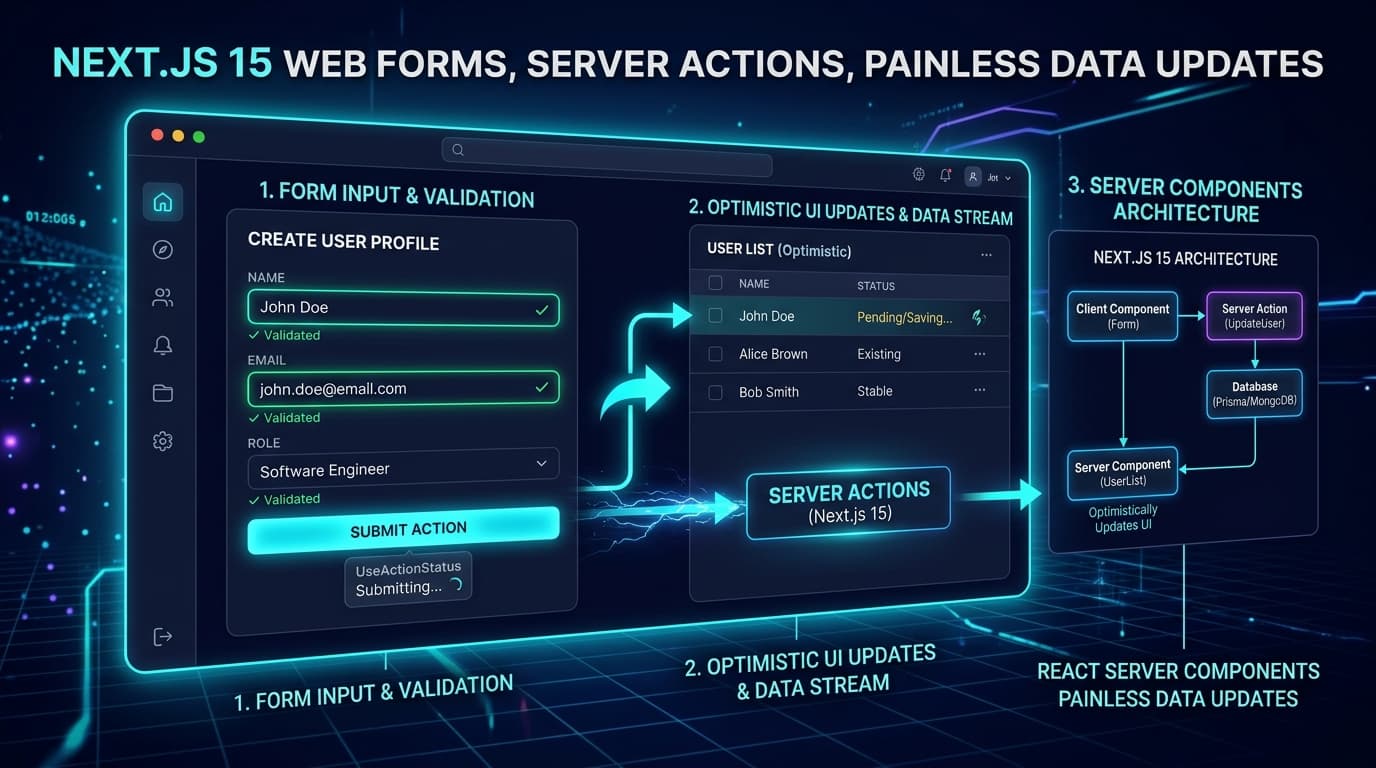
Building Simpler Web Forms: How Next.js 15 Makes Data Updates Quick and Painless
Master modern form handling with Next.js 15 and React 19. Learn how native Server Actions, useActionState, useOptimistic, and Zod schema validation eliminate boilerplate, achieve sub-50ms feedback, and ensure flawless data integrity.
AI Tool Creation & Software Modernization
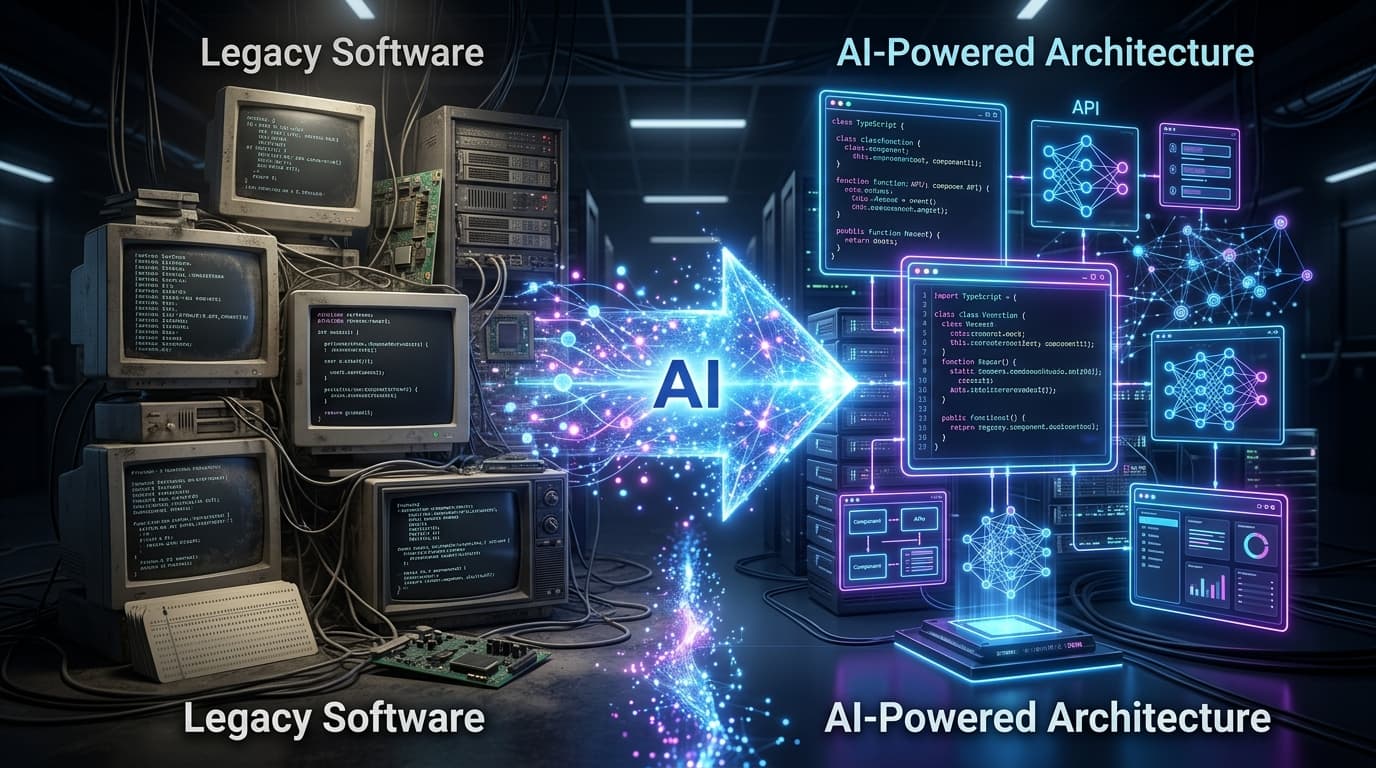
Upgrading Outdated Software with AI: How Modern Teams Automate Boring Code Updates Safely
Discover how modern engineering teams safely automate legacy software modernization using AI. Learn how Abstract Syntax Tree (AST) parsing, synthetic characterization testing, sandboxed refactoring agents, and human-in-the-loop verification reduce migration time by 80% with zero production downtime.
AI System Creation & Cost Optimization
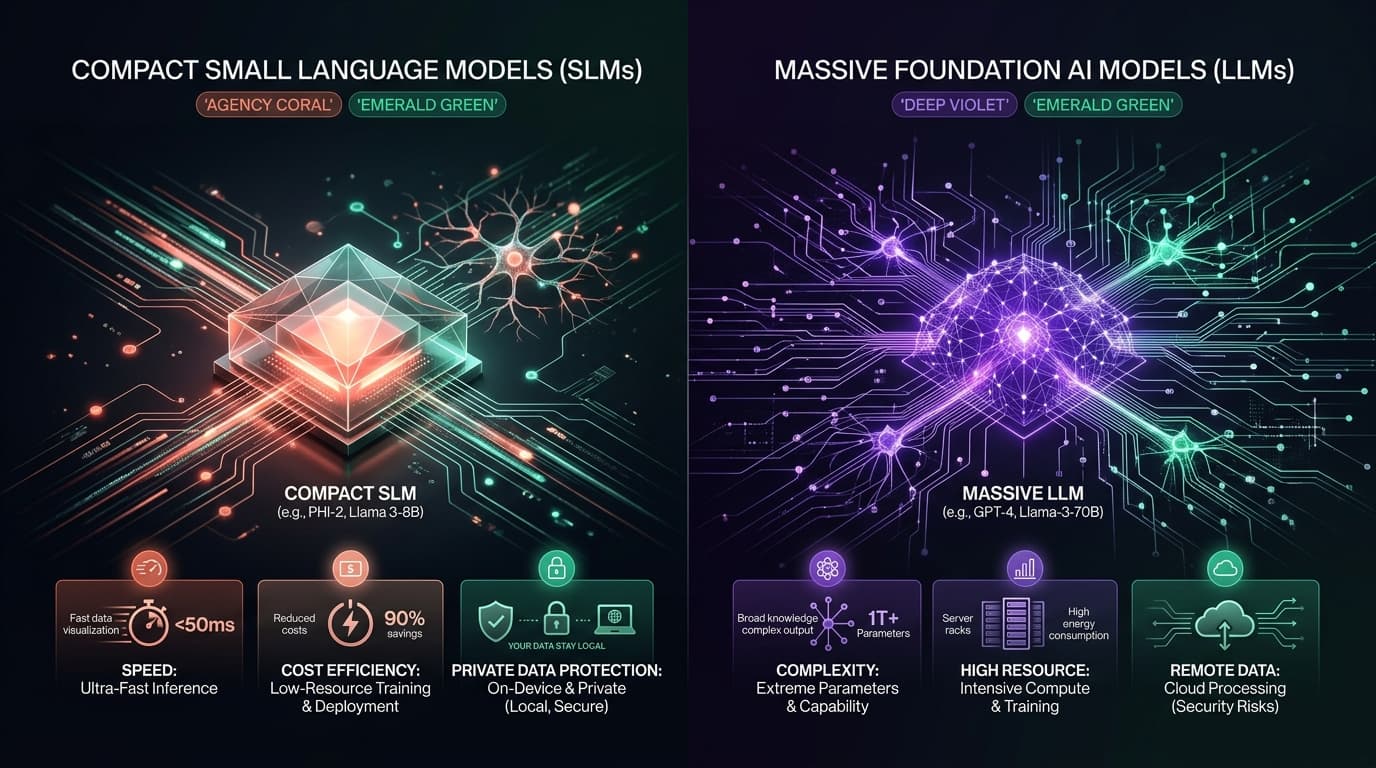
Small AI Models vs Big AI Models: How to Pick the Right Tool, Cut Costs, and Protect Privacy
Master the strategic decision framework between Small Language Models (SLMs) and Frontier Large Language Models (LLMs). Learn how modern engineering teams use intelligent model routing, on-premise local hosting, and targeted LoRA fine-tuning to slash inference costs by 80%, achieve sub-200ms response times, and guarantee 100% data privacy.