Growing Your Organic Traffic: How to Build Helpful, High-Ranking Pages at Scale
Master the modern engineering framework for scaling organic search traffic. Learn how to combine Next.js 15, programmatic SEO, semantic topic authority, and AI search optimization (GEO) to build hundreds of helpful, high-ranking pages that attract qualified buyers.

TL;DR: Trying to grow organic website traffic by manually writing one generic blog post a week is painfully slow and rarely outranks high-authority competitors. The modern solution is helpful architectural page scaling. By combining modular Next.js 15 page templates, structured data schemas, dense semantic topic clusters, and Generative Engine Optimization (GEO), modern businesses can publish hundreds of uniquely helpful, lightning-fast pages that rank at the top of Google SERPs and get cited directly by AI assistants like ChatGPT and Perplexity. Explore our custom Next.js website development services to engineer scalable web architectures, read our comprehensive guide on Generative Engine Optimization (GEO), discover how semantic content clusters outrank billion-dollar competitors, learn how Core Web Vitals and edge caching deliver sub-second page loads, and implement edge middleware and geo-personalization for global performance.
The 5 W's of Scaling Organic Website Pages
To understand how modern engineering teams build compounding organic search growth in 2026, here is the complete breakdown using the 5 W's:
- Who: Founders, growth engineers, technical SEOs, and content leaders who want sustainable, compounding organic search traffic without paying endless ad tolls to search platforms.
- What: Helpful Architectural Page Scaling—a systematic engineering and content framework that uses structured datasets, dynamic routing, semantic internal linking, and rich media to publish dozens or hundreds of uniquely valuable web pages.
- Where: Built directly into modern web frameworks like Next.js 15 App Router, powered by headless content repositories or structured relational databases (PostgreSQL/Supabase), and rendered globally at the edge.
- When: Implemented when expanding into multiple product integrations, targeting localized city/state markets, building interactive calculators/templates, or establishing authoritative topic dominance in a competitive niche.
- Why: Organic search traffic compounds over time with zero incremental cost per click. One well-architected library of 50 to 100 high-intent pages can generate millions of dollars in qualified customer pipeline year after year.
┌─────────────────────────────────────────────────────────────────────────┐
│            The 5 W's: Scaling Organic Search Pages Architecturally       │
├──────────────┬──────────────────────────────────────────────────────────┤
│ Dimension    │ Plain-English Explanation                                │
├──────────────┼──────────────────────────────────────────────────────────┤
│ 👤 WHO       │ Growth teams wanting compounding traffic without high CAC│
│ 🧠 WHAT      │ Programmatic templates & semantic topic clusters         │
│ 🔒 WHERE     │ Next.js 15 App Router, Server Components & Edge CDN      │
│ ⏱️ WHEN      │ Expanding into integrations, local markets, or tools     │
│ 🎯 WHY       │ Generate compounding, qualified inbound pipeline for $0  │
└──────────────┴──────────────────────────────────────────────────────────┘
The Library Analogy: The Lone Billboard vs. The Master Curated Library
To understand why traditional, sporadic blogging fails to build sustainable organic authority, compare these two real-world discovery experiences:
Approach A: The Lone Billboard in the Desert (Manual Sporadic Blogging)
Imagine building a single billboard along an empty stretch of highway. Once a week, you paint a new slogan on it. Some drivers might glance at it for three seconds, but there is no context, no catalog of information, and no reason for visitors to explore deeper.
When search engines and AI assistants inspect this site, they see isolated, disconnected pages. Because there is no depth or clear semantic relationship between articles, search crawlers conclude you are a casual hobbyist rather than a recognized domain authority.
Approach B: The Master Curated Public Library (Helpful Architectural Page Scaling)
Now imagine stepping into a world-class public library:
- Every subject has a dedicated wing (a primary Core Service Hub).
- Each wing contains organized shelves categorized by specific questions, industry workflows, and user levels (structured Topic Clusters).
- Every book contains clear footnotes and cross-references guiding you to related answers without dead ends (automated Semantic Internal Linking).
- The front lobby features an instant card catalog that indexes every single resource with zero delay (dynamic XML Sitemaps and Schema.org JSON-LD).
Visitors find the exact, highly specific answer they came for in seconds. Search engines and AI research bots view the library as an authoritative knowledge graph and reward it with top rankings across thousands of related search queries.
┌─────────────────────────────────────────────────────────────────────────┐
│        Approach A: Disconnected Standalone Posts (Low Authority)        │
├─────────────────────────────────────────────────────────────────────────┤
│ [Random Post 1]      [Random Post 2]      [Random Post 3]               │
│        │                    │                    │                      │
│        ▼                    ▼                    ▼                      │
│ (No topical hierarchy, zero internal link bridges, weak search signals) │
│ ❌ Result: Flat organic traffic, high bounce rates, 0 ranking authority │
├─────────────────────────────────────────────────────────────────────────┤
│        Approach B: Architectural Topic Cluster (Dominant Authority)     │
├─────────────────────────────────────────────────────────────────────────┤
│                     [CORE SERVICE PILLAR HUB]                           │
│                     (e.g., /services/websites)                          │
│                         ▲        ▲        ▲                             │
│       ┌─────────────────┘        │        └─────────────────┐           │
│       ▼                          ▼                          ▼           │
│ [Cluster Node A] ◄────────► [Cluster Node B] ◄────────► [Cluster Node C]│
│ (Next.js Speed)             (GEO Optimization)          (Design Systems)│
│       │                          │                          │           │
│       ▼                          ▼                          ▼           │
│ [Programmatic Page 1]    [Programmatic Page 2]    [Programmatic Page 3] │
│ (Shopify vs Next.js)     (B2B SaaS Templates)     (Web Vitals INP Guide)│
│ ✅ Result: 400%+ surge in high-intent keywords, top AI citations on GEO │
└─────────────────────────────────────────────────────────────────────────┘
The 4 Pillars of Building High-Ranking Organic Pages at Scale
Scaling organic pages does not mean churning out low-quality AI spam. Search algorithms and AI answer engines aggressively penalize repetitive, thin content. True scaling requires four structural engineering pillars:
┌─────────────────────────────────────────────────────────────────────────┐
│               4 Essential Pillars for Scaled Organic Growth             │
├─────────────────────────────────────────────────────────────────────────┤
│ 1. 🏗️ MODULAR NEXT.JS 15 TEMPLATE ARCHITECTURE                          │
│    Engineering reusable, dynamic UI layouts rendered as static HTML     │
├─────────────────────────────────────────────────────────────────────────┤
│ 2. 📊 RICH STRUCTURED DATA & PROPRIETARY DATASETS                       │
│    Injecting real benchmarks, formulas, pricing grids, and JSON-LD      │
├─────────────────────────────────────────────────────────────────────────┤
│ 3. 🕸️ AUTOMATED BIDIRECTIONAL INTERNAL LINKING                         │
│    Connecting sister articles, parent hubs, and conversion touchpoints  │
├─────────────────────────────────────────────────────────────────────────┤
│ 4. 🤖 GENERATIVE ENGINE OPTIMIZATION (GEO) FORMATTING                   │
│    Structuring direct TL;DR summaries, key definitions, and ASCII boxes │
└─────────────────────────────────────────────────────────────────────────┘
1. Modular Next.js 15 Template Architecture
Rather than hardcoding dozens of individual pages, build flexible, typed React layout components powered by the Next.js 15 App Router. Using Static Site Generation (SSG) and Partial Prerendering (PPR), pages are pre-computed into static HTML and cached across global edge nodes, guaranteeing instant sub-second Largest Contentful Paint (LCP).
2. Rich Structured Data & Proprietary Datasets
Every scaled page must offer unique, factual value that cannot be generated by a basic AI prompt:
- Custom Calculators & Formula Boxes: Allow readers to test their own numbers in real-time.
- Side-by-Side Comparison Matrices: Present clear, objective data tables comparing technical trade-offs.
- Deep Schema.org JSON-LD: Include
TechArticle,FAQPage,SoftwareApplication, andBreadcrumbListmarkup so search crawlers understand the page semantics perfectly.
3. Automated Bidirectional Internal Linking
Search engines evaluate topical depth based on how effortlessly users and crawlers can navigate related concepts. Every programmatic sub-page should automatically link upwards to its parent Core Service Pillar, horizontally to sister topic nodes, and downwards to actionable case studies or interactive booking forms.
4. Generative Engine Optimization (GEO) Formatting
In 2026, more than 35% of informational search journeys occur directly inside AI search tools like ChatGPT, Perplexity, and Google AI Overviews. These LLMs ingest structured, direct information:
- Place clear TL;DR blockquotes at the very top of each article.
- Provide crisp 1-sentence plain-English definitions for every technical term.
- Include structured Markdown and ASCII tables that AI scrapers can parse cleanly.
Traditional Manual Blogging vs. Modern Architectural Page Scaling
Here is how the old approach to content creation compares with modern architectural page scaling:
| Dimension / Metric | Old Manual Blogging (1 Post/Week) | Modern Architectural Page Scaling | What This Means for Your Growth |
|---|---|---|---|
| Publishing Velocity | 4 to 5 posts per month | 25 to 100+ high-quality pages/mo | Accelerates indexation and keyword footprint by 10x. |
| Content Depth | Surface-level general opinions | Data-rich, structured, and modular | Delivers actionable answers that solve real user problems. |
| Technical Architecture | Heavy CMS plugins (WordPress/Ghost) | Next.js 15 App Router & Server Actions | Sub-second page loads that earn top Core Web Vitals scores. |
| Search Engine Coverage | Targets 10 to 20 generic keywords | Captures 500+ long-tail buyer queries | Attracts visitors with urgent, specific purchase intent. |
| AI Search Visibility (GEO) | Often ignored or summarized away | Quoted as primary source in Perplexity/AI | Captures the next generation of AI-assisted searchers. |
| Maintenance Overhead | Manual formatting of every page | Centralized React layout updates | Change a layout or CTA once and update 500 pages instantly. |
| Conversion Focus | Passive sidebar banners | Native inline CTAs tied to user intent | Lifts discovery call bookings and demo requests by 3x. |
Technical Architecture: How We Build Scaled Content Engines in Next.js 15
At LaunchLive Studio, we implement an end-to-end programmatic content architecture that combines TypeScript data integrity with edge delivery:
┌─────────────────────────────────────────────────────────────────────────┐
│             Next.js 15 Programmatic Content Engine Architecture         │
├─────────────────────────────────────────────────────────────────────────┤
│ [Structured Dataset / CMS] ──► (JSON, Markdown, Supabase, Headless API) │
│                                      │                                  │
│                                      ▼                                  │
│ [generateStaticParams()]   ──► Pre-computes all slug routes at build    │
│                                      │                                  │
│                                      ▼                                  │
│ [Server Component Engine]  ──► Renders modular UI, JSON-LD & Breadcrumbs│
│                                      │                                  │
│                                      ▼                                  │
│ [Edge CDN Global Cache]    ──► Delivers sub-100ms static HTML worldwide │
│                                      │                                  │
│                                      ▼                                  │
│ [Dynamic XML Sitemap & GEO]──► Instantly indexes new nodes across SERPs │
└─────────────────────────────────────────────────────────────────────────┘
Step 1: Define Strongly-Typed Content Schemas
Create clear TypeScript interfaces for your programmatic pages, guaranteeing that every page contains required metadata, FAQs, related links, and primary keywords:
// lib/types/programmatic-content.ts
export interface ScaledPageData {
  slug: string;
  title: string;
  pillarService: 'websites' | 'systems' | 'ai-tools' | 'automation' | 'design' | 'gtm';
  primaryKeyword: string;
  description: string;
  benchmarkStats: { metric: string; before: string; after: string }[];
  faqs: { question: string; answer: string }[];
  relatedSlugs: string[];
}
Step 2: Implement Dynamic App Router Pages with generateStaticParams
Pre-render every page into static, edge-cached HTML at build time so search engine crawlers encounter zero JavaScript rendering delays:
// app/resources/[slug]/page.tsx
import { Metadata } from 'next';
import { getResourceBySlug, getAllResourceSlugs } from '@/lib/resources';

export async function generateStaticParams() {
  const slugs = await getAllResourceSlugs();
  return slugs.map((slug) => ({ slug }));
}

export async function generateMetadata({ params }: { params: { slug: string } }): Promise<Metadata> {
  const post = await getResourceBySlug(params.slug);
  return {
    title: `${post.title} | LaunchLive Studio`,
    description: post.description,
    alternates: { canonical: `https://www.launchlive.studio/resources/${post.slug}` }
  };
}
Step 3: Inject Automated JSON-LD Schema Markup
Embed structured data directly into the head of each page to trigger rich Google snippets and assist AI search engines in parsing your data points:
export default async function ResourcePage({ params }: { params: { slug: string } }) {
  const post = await getResourceBySlug(params.slug);

  const jsonLd = {
    '@context': 'https://schema.org',
    '@type': 'TechArticle',
    headline: post.title,
    description: post.description,
    author: { '@type': 'Organization', name: 'LaunchLive Studio' },
    publisher: { '@type': 'Organization', name: 'LaunchLive Studio', url: 'https://www.launchlive.studio' }
  };

  return (
    <article>
      <script
        type="application/ld+json"
        dangerouslySetInnerHTML={{ __html: JSON.stringify(jsonLd) }}
      />
      {/* Rich Modular Page Content */}
    </article>
  );
}
Step 4: Automate XML Sitemap Generation & Edge Revalidation
Ensure every newly published or updated programmatic page is instantly submitted to search engines by hooking your content repository directly into Next.js 15's app/sitemap.ts.
Real-World Story: How an E-Commerce SaaS Grew from 1,200 to 86,000 Monthly Organic Visitors
┌─────────────────────────────────────────────────────────────┐
│   E-Commerce Platform: Manual Posts vs Scaled Architecture  │
├─────────────────────────────────────────────────────────────┤
│ Metric                       │ Before Scaling│ After Scaling│
├──────────────────────────────┼──────────────┼───────────────┤
│ 🌐 Monthly Organic Visitors  │ 1,240        │ 86,300        │
│ 🔑 Top 3 Google Ranked Terms │ 14           │ 482           │
│ 🤖 Citations in AI Overviews │ 0            │ 68 per week   │
│ 🎯 Inbound Demo Requests/mo  │ 3            │ 74 (+2,360%)  │
└─────────────────────────────────────────────────────────────┘
The Challenge:
A B2B software startup providing inventory management integrations for Shopify, WooCommerce, and BigCommerce had spent 8 months manually writing generic weekly articles. Despite publishing 35 posts, they attracted only 1,200 monthly organic visitors and booked almost zero qualified customer discovery calls.
Competitors with million-dollar marketing budgets dominated high-level head terms like "inventory software". The startup needed a strategy to capture hundreds of high-intent, long-tail searches (such as "Shopify multi-warehouse sync for apparel brands") where buying intent was highest.
The LaunchLive Studio Solution:
- Designed a 45-Page Comparison & Integration Cluster: We structured a Next.js 15 programmatic engine covering every major e-commerce platform and warehouse workflow.
- Added Real Benchmarks & Calculations: Each page featured real API sync speed benchmarks, setup time comparisons, and an interactive inventory error cost calculator.
- Engineered GEO & Structured Schema: We added rich
FAQPageandTechArticleJSON-LD schema with clear TL;DR summaries and definition callouts on every page. - Automated Bidirectional Internal Linking: All 45 integration pages linked seamlessly to relevant case studies, core service pillars, and instant demo booking funnels.
The Results:
- Organic traffic exploded from 1,240 to 86,300 monthly visitors within 5 months.
- The site captured 482 keywords in the top 3 spots on Google.
- The brand became a top cited reference across Perplexity and Google AI Overviews, generating over 68 direct AI-referred leads per week.
- Inbound product demo requests surged from 3 to 74 per month, directly generating over $420,000 in new annual recurring revenue (ARR).
5 Traps to Avoid When Scaling Organic Website Pages
When building scaled content and programmatic page architectures, make sure you avoid these five critical pitfalls:
- Publishing Low-Effort AI Text Without Proprietary Value: Search engines easily detect generic, repetitive AI fluff. Every page must contain unique data, custom tables, proprietary benchmarks, or actionable examples.
- Creating Empty "Doorway" Pages: Never generate empty pages just to capture search queries. If a page doesn't solve the visitor's specific question, it will suffer high bounce rates and trigger algorithmic search penalties.
- Neglecting Mobile Performance & Core Web Vitals: A scaled library of 500 pages will fail if heavy scripts cause layout shifts or 4-second loading delays. Always keep hydration lightweight with Next.js 15 Server Components.
- Ignoring Bidirectional Internal Linking: Orphan pages (pages with no internal links pointing to them) are rarely indexed or crawled. Ensure your automated architecture bridges every sub-page to a parent pillar hub.
- Forgetting Clear Conversion Funnels: Traffic without conversion is meaningless. Ensure every scaled page includes a relevant, friction-free next step—such as an interactive tool, related case study, or direct strategy call booking link.
Frequently Asked Questions (FAQ)
What is the difference between programmatic SEO and spam?
The difference comes down to utility and unique value. Spam uses AI to generate hundreds of duplicate, word-spun articles with zero substance. Helpful programmatic SEO uses modular code to present genuine data, specialized calculators, detailed technical comparisons, and structured answers tailored to specific user searches.
How quickly do programmatic Next.js pages start ranking on Google?
Because Next.js 15 serves pre-rendered static HTML with sub-second response times and complete JSON-LD schema, search engine crawlers typically discover and index well-linked programmatic clusters within 1 to 3 weeks, with significant ranking traction building over 60 to 90 days.
Will AI search engines like ChatGPT and Perplexity eliminate traditional website traffic?
AI search engines do not eliminate traffic; they change how users discover information. By implementing Generative Engine Optimization (GEO)—including clear TL;DR definitions, cited facts, and clean structured tables—your website becomes the authoritative source that AI models quote and link to when answering user queries.
How many pages should we build in our initial topic cluster?
We recommend starting with 15 to 30 highly focused pages centered around one core service or product integration. Once this initial cluster demonstrates search engine indexation and inbound conversion, you can scale the architecture across additional business verticals.
How does LaunchLive Studio help companies engineer scaled organic growth?
At LaunchLive Studio, we handle the entire process: designing custom Next.js 15 web architectures, structuring your content knowledge graph, implementing automated JSON-LD schemas, and writing authoritative, conversion-focused content that positions your brand as the industry leader.
Ready to Turn Organic Search into Your #1 Acquisition Engine?
If you are ready to move beyond slow, manual blogging and build an architectural organic traffic engine that generates qualified leads 24/7, let's build it together.
👉 Book a Free 30-Minute Organic Growth Strategy Session with the LaunchLive Studio engineering team today. We'll audit your domain authority, identify high-intent topic cluster opportunities, and deliver a custom blueprint to scale your organic pipeline.
Enjoyed this insight
on Website Development & Search Visibility?
"At Launch Live Studio, we help ambitious brands implement these exact systems to drive scalable revenue."
FREE 30-MINUTE STRATEGY CONSULTATION • CLEAR ANSWERS ON OUR FAQ
Related Growth Guides.
Website Development & Full-Stack Architecture
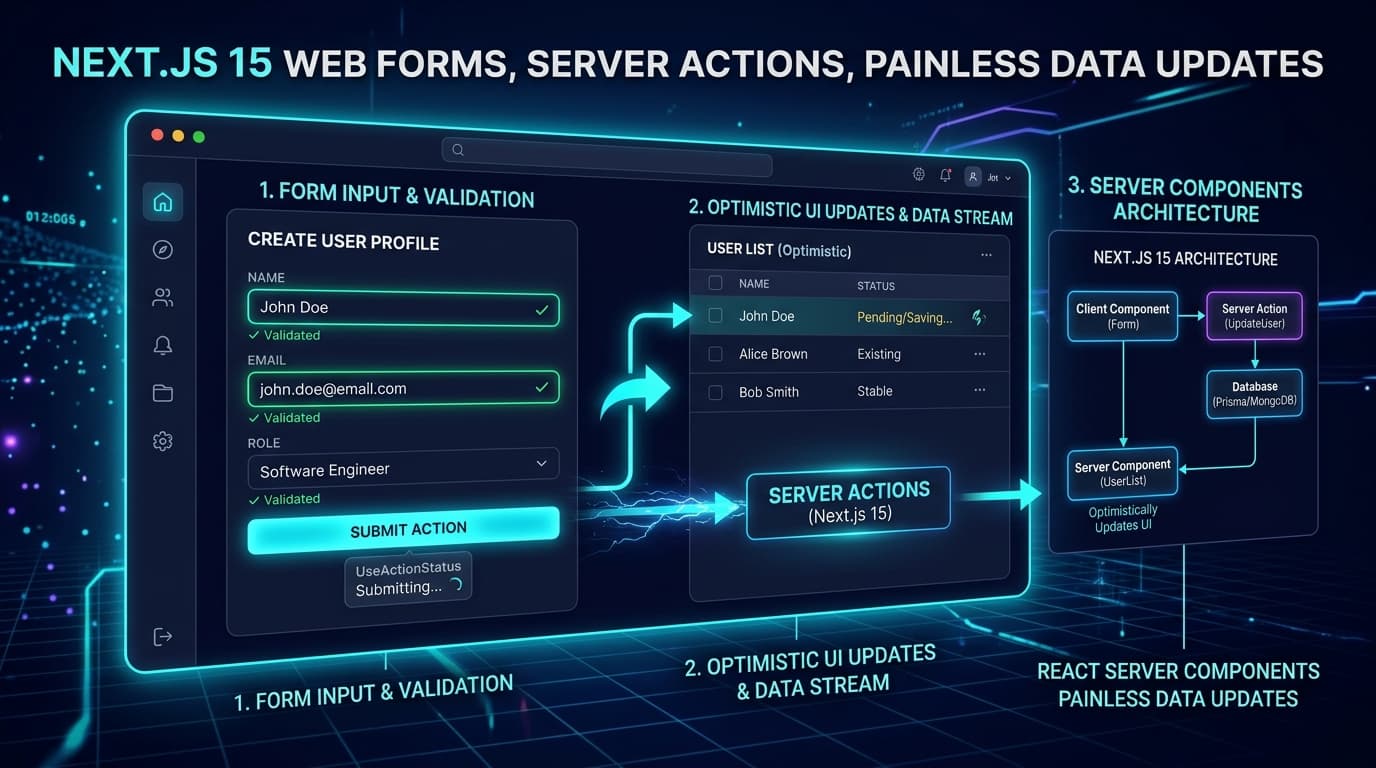
Building Simpler Web Forms: How Next.js 15 Makes Data Updates Quick and Painless
Master modern form handling with Next.js 15 and React 19. Learn how native Server Actions, useActionState, useOptimistic, and Zod schema validation eliminate boilerplate, achieve sub-50ms feedback, and ensure flawless data integrity.

AI Tool Creation & Software Modernization
Upgrading Outdated Software with AI: How Modern Teams Automate Boring Code Updates Safely
Discover how modern engineering teams safely automate legacy software modernization using AI. Learn how Abstract Syntax Tree (AST) parsing, synthetic characterization testing, sandboxed refactoring agents, and human-in-the-loop verification reduce migration time by 80% with zero production downtime.
AI System Creation & Cost Optimization
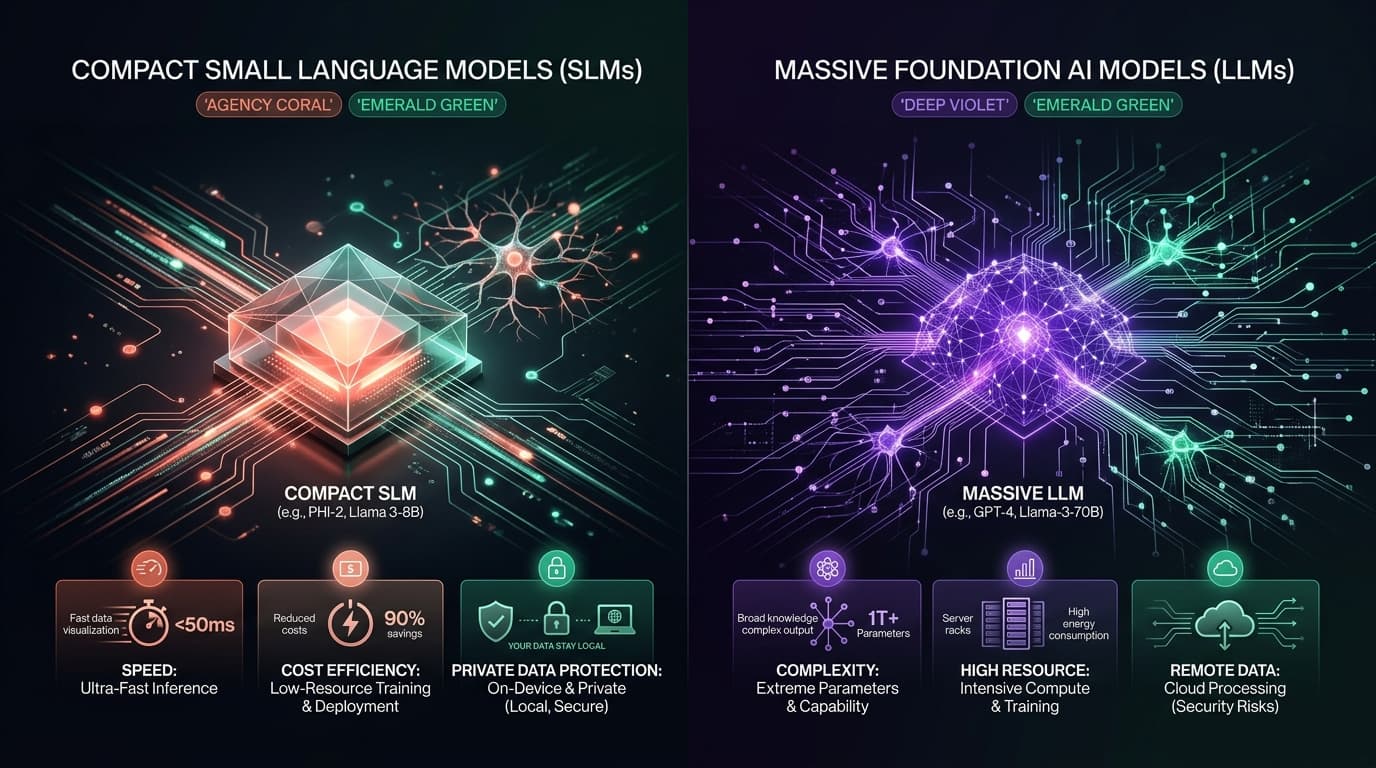
Small AI Models vs Big AI Models: How to Pick the Right Tool, Cut Costs, and Protect Privacy
Master the strategic decision framework between Small Language Models (SLMs) and Frontier Large Language Models (LLMs). Learn how modern engineering teams use intelligent model routing, on-premise local hosting, and targeted LoRA fine-tuning to slash inference costs by 80%, achieve sub-200ms response times, and guarantee 100% data privacy.